All summer it feels like we are fire-fighting.
Thankfully so far never literally, but there is a barely a moment to admire our handiwork (or the work of the unseen hands, or in reality, the jaws and feelers, that are constantly busy deep in our soil). Once a job is done it’s immediately on with the next one and though we try and stop and smell the roses when we can (or our equivalent; stop and savour a vine-ripe tomato), the peak of the growing season is definitely not the time for reflecting on what we’re doing here at Barcombe and why we’re even doing it.
When autumn comes, however, and the tomatoes are gone (well not gone really, just composting), when the acorns are making us jump, ricocheting off glass house roofs, when the crops that will see us through to spring are all plugged into the earth like into natural plug sockets, it becomes possible to look both backwards and forwards a little. The annual milestone of separating hundreds of bulbs of garlic into their individual cloves is perfect for such contemplation. As we break them apart, showering ourselves in their papery casings, as we bury each one in their designated beds knowing they will sprout up in the 'hungry gap’ providing fresh greenness when we most need it, we can take stock and attempt to alchemise the past into lessons for the future.
We thought now was a good time to also reflect on what you, yes YOU can do by supporting us, and why you should consider it.
Firstly, we’re local.
As we all navigate the quagmired minefield that is trying to be responsible consumers, local is one label that cuts out a lot of potentially nasty discoveries that can play upon your conscience. Weighing up the environmental implications of a certain food with its impact on other humans, on other non-human inhabitants of this planet and on your own body can be overwhelming and exhausting.
Take the matter of milk. Nowadays, ordering a coffee usually entails choosing between numerous kinds and the benefits and disadvantages of each are tricky to make sense of: there’s even a lot of nuance within each category!
For example, non-organic cow’s milk from a supermarket does not have the same carbon footprint, nutritional content or potential animal welfare issues as say a pint from Hook & Son's grass fed herd or Tablehurst's micro dairy (which has a adopted a “calf at foot” method, where calves stay with their mothers for up to six months). As an aside, it’s also worth noting that whilst the UK’s animal welfare standards have always been considered high, this may not continue to be the case, or to be relevant to post-Brexit, imported goods (read more about this here).
To eliminate the possibility of any cows suffering, almond milk might seem like a better option, but what about the amount of water it demands? What about the air miles? How are these nuts pollinated and farmed? How do you rank the suffering of other beings? Additionally, without starting the “where do vegetarians and vegans get their…” argument, if dairy is something you’ve relied on for essential protein and fat, the lower amounts in alternatives is something to be aware of.
So, what about oat milk? We can grow oats just fine in the UK, but grow them how exactly and is the UK where the most popular brands in this country even get theirs? Do huge conglomerates jumping on the plant based wagon truly have sustainability at heart? Furthermore, with the increase in type two diabetes what about the effect of cereal based drinks on our blood sugar levels? What about the vegetable/seed oils that are often added?
We’re not here to judge or preach and we don’t have all the solutions, but it strikes us shopping local saves a lot of quandaries. We’ve all got to do the best we can within our budgets (we know, returning to milk, that this is the difference between £0.64 and £3.30 per litre we’re talking about!) but next time you’re racked by indecision, or a packet or a person is being demonstrative about the virtues of something and demonising something else, maybe you could get curious about the origin, to begin with. You could look at where each of your options are manufactured and consider the length of their ingredients lists and the supply chains involved in each of these.
Buying local rules out factory farms, rules out modern slavery, rules out the destruction of rainforests and all sorts of shady business because you can go and see where your purchases are coming from and what your money is fuelling. You can ask questions and demand answers, demand better!
You are getting this email because we’re local to you: we’re a small team of locals.
So who are we?
Harry is our head grower and partner with Adrian our founder (who is still involved but more often found on his boat nowadays). Adele has been here since the beginning, delivering and acting as bookkeeper (in-between woodcarving and tile making). Susy has been here almost as long and is the font of all knowledge in the pack shed (no one can weigh out potatoes as quickly as her, either). Natasha and Philare the other mainstays of our pack line (the latter also delivering and maintaining our machinery and the former helping with some hoeing or planting when she’s not elsewhere laying hedges or ringing birds). Dan is our trainee grower, doing everything from sowing to harvesting whilst completing his Market Garden Crop Technician apprenticeship at Plumpton, a course we are thrilled they are now offering. Vic is our newest recruit, she has taken over our veg box planning and ordering, alongside looking after you, our lovely customers. To break the ‘fourth wall’ somewhat, Phoebe is our assistant grower, who sometimes brushes off enough earth to write things like this without inadvertently sowing anything into the keyboard (FYI seeds have germinated in her coat pocket). Our wonderful illustrations are drawn by Rosie (when she’s not chasing her sheep around) and we depend on two other drivers, Herbie and Paul. Finally, inspired by our beekeeper friend Lia a.k.a The Sussex Bee who always describes her colonies as her colleagues, we should acknowledge all our microscopic fungal and bacterial collaborators, the arthropods and nematodes that will never make our ‘About Us page’ (or maybe they should, actually…)
Our neighbours are important to us and we are continuing to put out roots into our surroundings, whether that’s working with affordable food scheme Brightstore to make fresh produce accessible to all, collaborating with Emily Thrift, a PhD student at University of Sussex researching how micro plastics move through the food web (her tutor was behind the ban of the microbeads in cosmetics) or inviting members of Sand College, an organisation that benefits 16-25 year olds with special educational needs and disabilities to the farm.
Secondly, we have been certified organic for 25 years.
We are inspected each year to make sure we are meeting the Soil Association’s extensive principles which you can read here. In short, this means we don’t rely on chemicals to kill ‘pests’ (intentional inverted commas there as we continue to embrace biodiversity) or diseases and we don’t use the fossil fuel derived fertilisers that mono-cropping, industrial-scale agriculture relies on and which are the reason 95% of the UK’s protected habitats are now at critical levels of harmful nitrogen pollution. Organic land is around 25% more effective at storing carbon compared to ‘conventionally’ farmed land and on average, plant, insect and bird life is 50% more abundant too!
We are custodians of our ten acres, caring for them by adhering to a crop rotation plan (preventing nutrient depletion), building soil fertility and protecting its structure with green manures, plenty of compost and minimum disturbance through cultivation. Alongside this we provide areas for wildlife and are constantly assessing every stage of our boxes’ journey to see how we can make it more environmentally friendly, from packaging to electric vehicles. For those interested we also use absolutely zero animal manures and we don’t buy in peat.
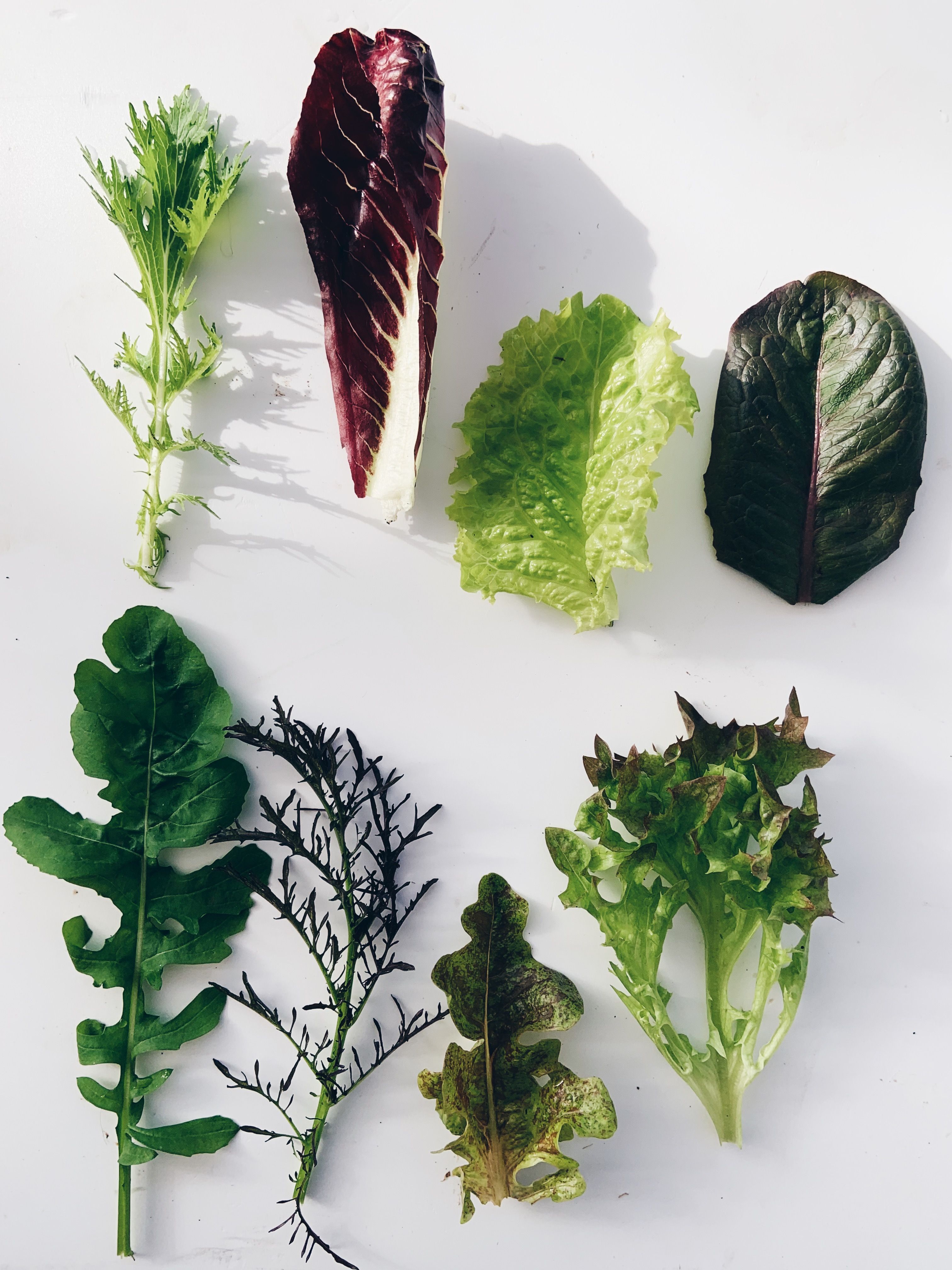
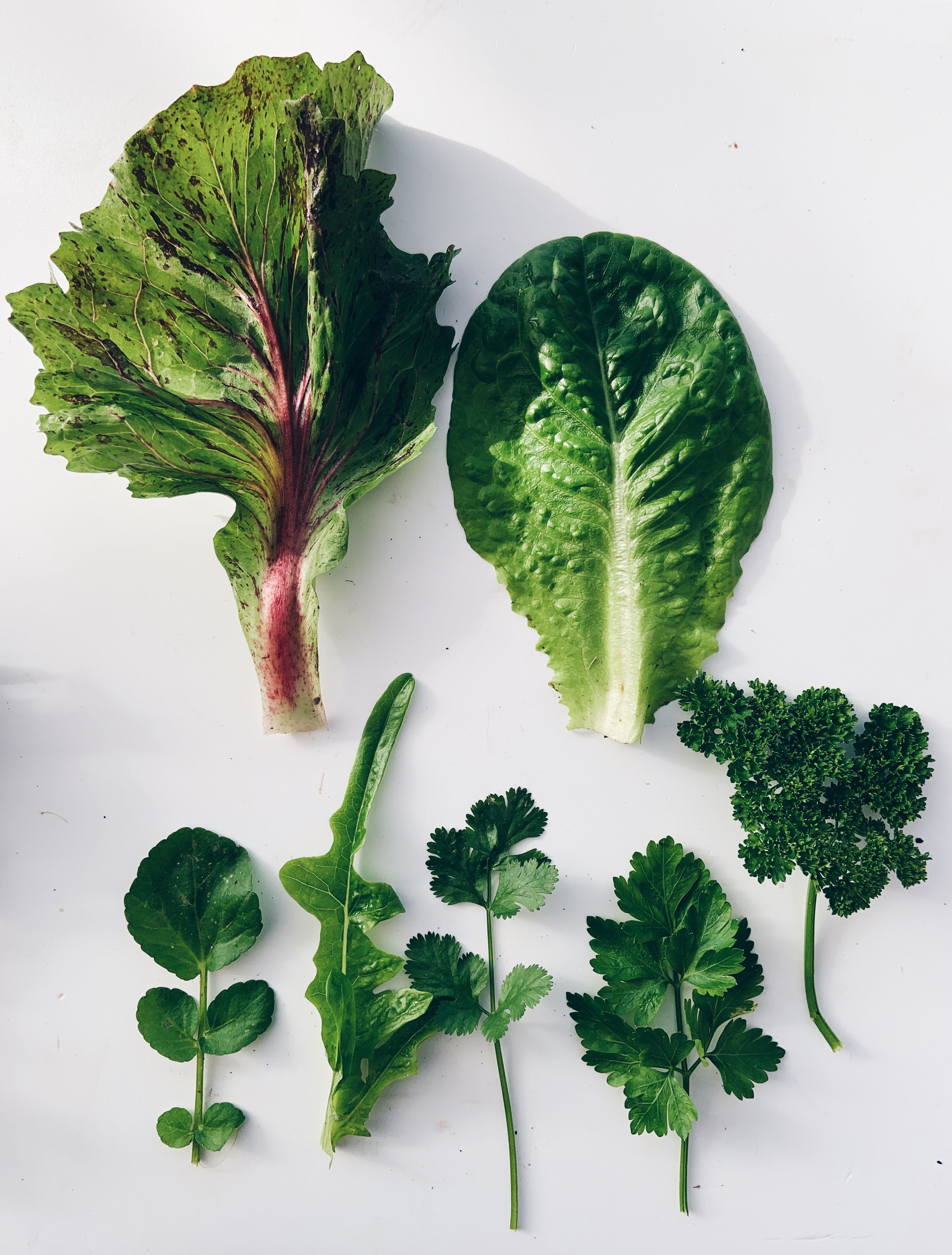
Thirdly, we’re really good tasting and really good for you!
We grow delicious, more unusual varieties than the ones you find in chain stores that are bred for uniformity, shelf life and sugar content, not flavour. Organic crops are also up to 60% higher in a number of antioxidants than ‘conventionally-grown’ crops. These additional antioxidants are the equivalent to eating between 1 to 2 extra portions of fruit and vegetables a day. ‘Conventional’ fruit has 75% more pesticides traces and ‘conventional’ vegetables 32% more. Pesticides are designed to be toxic and they are known to cause a range of illnesses. For instance, glyphosate, the active ingredient in Roundup, and the world’s most widely used herbicide, is “probably carcinogenic to humans” (according to the World Health Organisation’s cancer agency). This impacts not only consumers but the landworkers harvesting and packing.
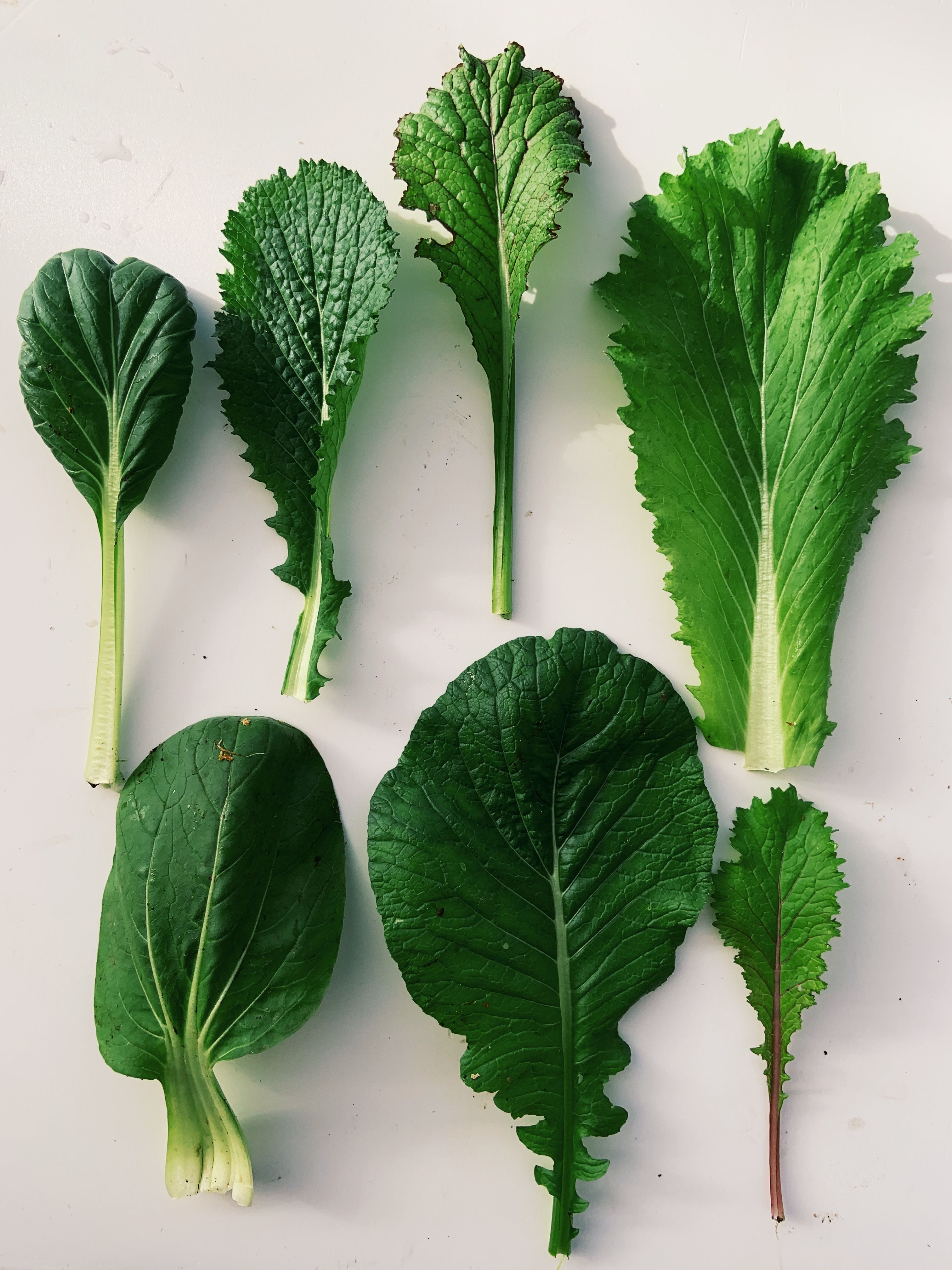
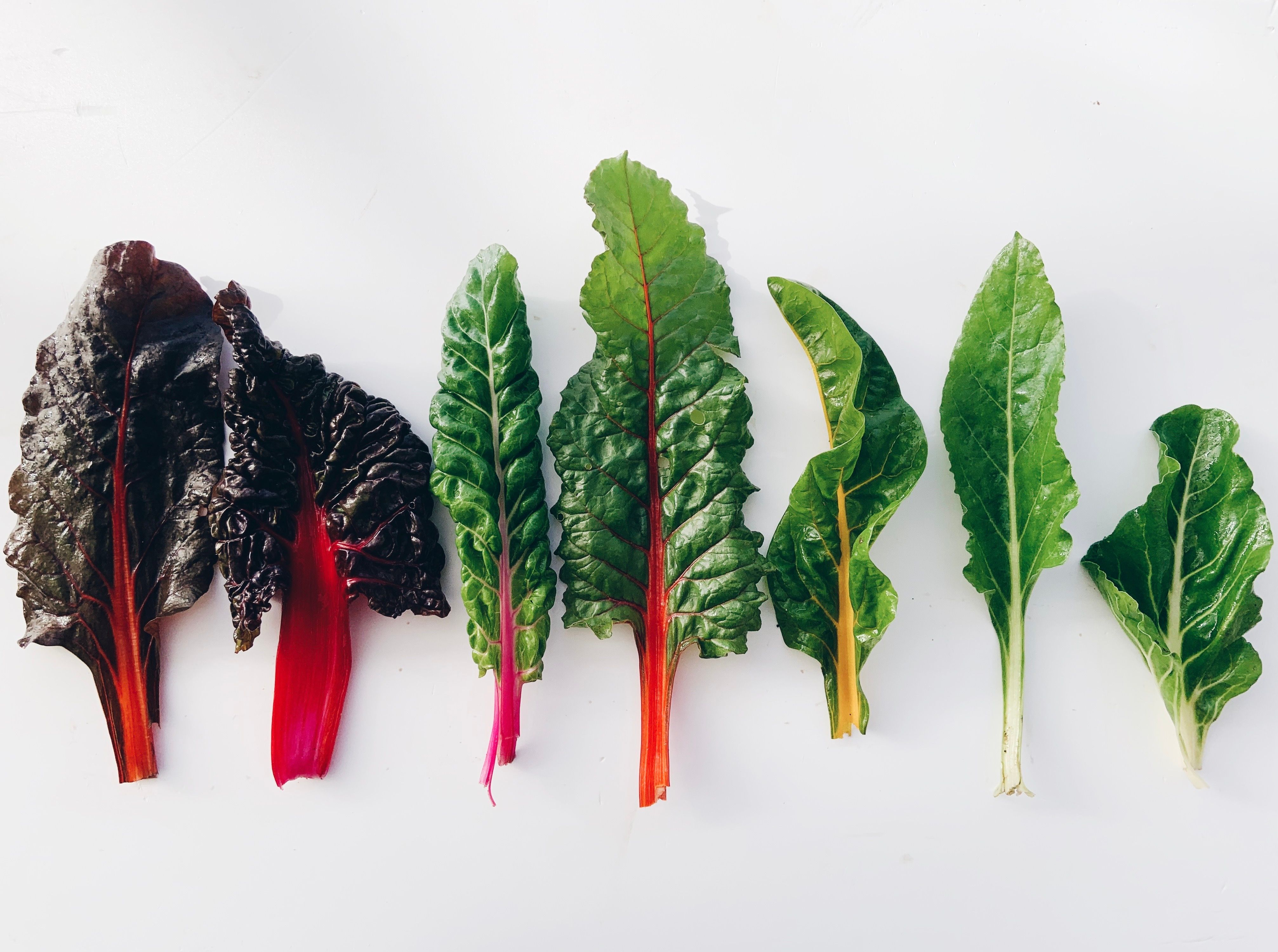
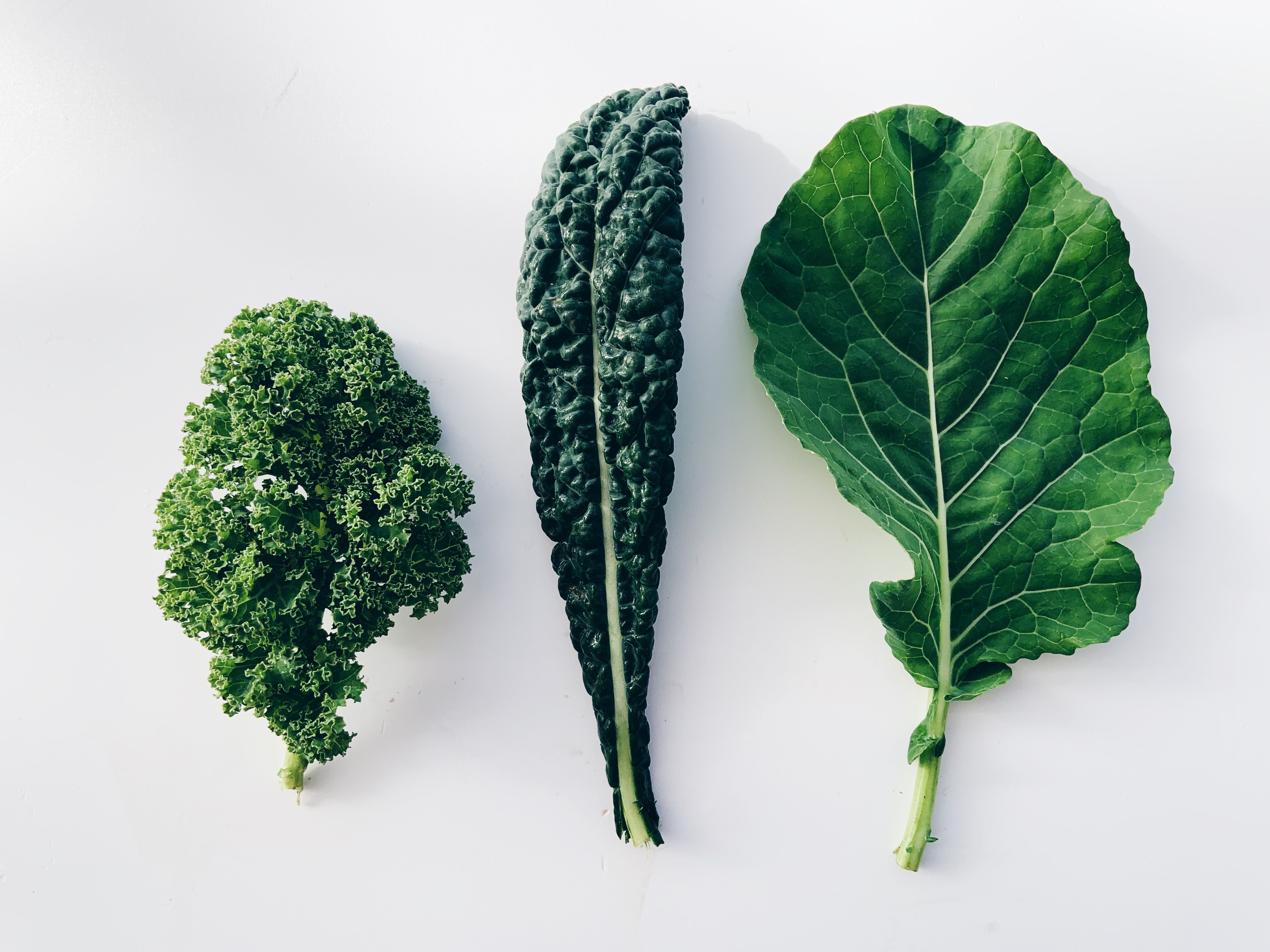
Leading experts recommend getting a veg box (see tip number eleven) and eating a large range of foods (about thirty kinds a week) is now known to be key for our gut microbiome (which is important for everything from mental health to immune function). Our salad bag usually contains seven different leaves in it which gets you off to great start and the extensive list of -just greens- we’re growing right now includes; curly kale, cavolo nero, spring greens, chicory, rocket, watercress, coriander, parsley, pak choi, tatsoi, mizuna, lettuce and mustard frills!
There are a myriad of other reasons to choose us, from helping you connect with the land and the seasons, to paying other farmers fairly, we are totally transparent about pricing and sourcing (no ‘greenwashing’ here) and give you the maximum amount of flexibility to combat food waste.
Thanks for reading.
Alongside this latest instalment of our quarterly newsletter, Harry brings us another soundscape made from recordings taken around the farm. This time he captured the multifarious rhythmic drips currently to be heard around the farm, in the words of his daughter "everywhere's a river....!"


© 2026 - Barcombe Nurseries
Powered by
