Unless you are trying to live somewhat-self-sufficiently or to subsist on food from within a strictly determined radius of your kitchen table (in which case, say a fond farewell to tea, coffee, wine and chocolate!) you would be totally forgiven for thinking each and every veg box scheme in the country grows all the fruit and veg they deliver. Or almost all of it, taking into consideration the fact that, wincing at your own electricity bill, you can probably surmise keeping banana plants happy would be a prohibitively expensive business in this hemisphere. You would also be forgiven for thinking that now winter is finally over and picnic weather has begun, juicy fruit, and the vegetables we call Mediterranean (but are actually South American), will swiftly become readily available, locally, and in abundance. (Alas not, but more on this in a moment).
Similarly, unless you have delved into carbon emissions in forensic detail, comparing the metrics used to arrive at headline-making statistics and considering the entire lifecycle of different ingredients, including the potential use of fossil-fuel derived fertilisers, rather than merely food miles, you would be forgiven for assuming something ‘plant-based’ or sourced from the UK is absolutely always excellent for the planet. It’s so easy to fall prey to the clever marketing of companies which don’t necessary have our best interests at heart, or the best interests of the environment. It’s also easy to feel so exhausted by all the scaremongering, scapegoating and contradictory studies relating to the climate crisis and to our health, that you fail to engage your critical thinking faculties or make assumptions that aren’t aligned with natural cycles. There’s no blame here, we aren’t necessarily taught to cross-examine the barrage of information we’re presented with, whether governmental dietary guidelines or ethical claims on packets, but before we get swept away any further into topics beyond the remit of this little newsletter, let’s just say most of us are just too busy for extensive detective work before we fill our shopping trolleys and are no longer actively engaged in food production anymore, so why should we have a good grasp on the timelines of crops? Unless your garden, allotment, or job in a restaurant has sent you down a rabbit hole of research, why would you know that trusses of “vine-ripened” tomatoes are picked when they are green, not red, or that the last orange you ate had to hang on its tree for up to eight months before you peeled it? Why would you know that produce brought by lorry from Europe can use less energy than produce coaxed on with heat here on English soil? Unless you regularly tune into Farming Today (or perhaps even if you do), why would you know that approaches to land cultivation that sequester carbon and preserve soil structure by avoiding ploughing can rely heavily on herbicides?
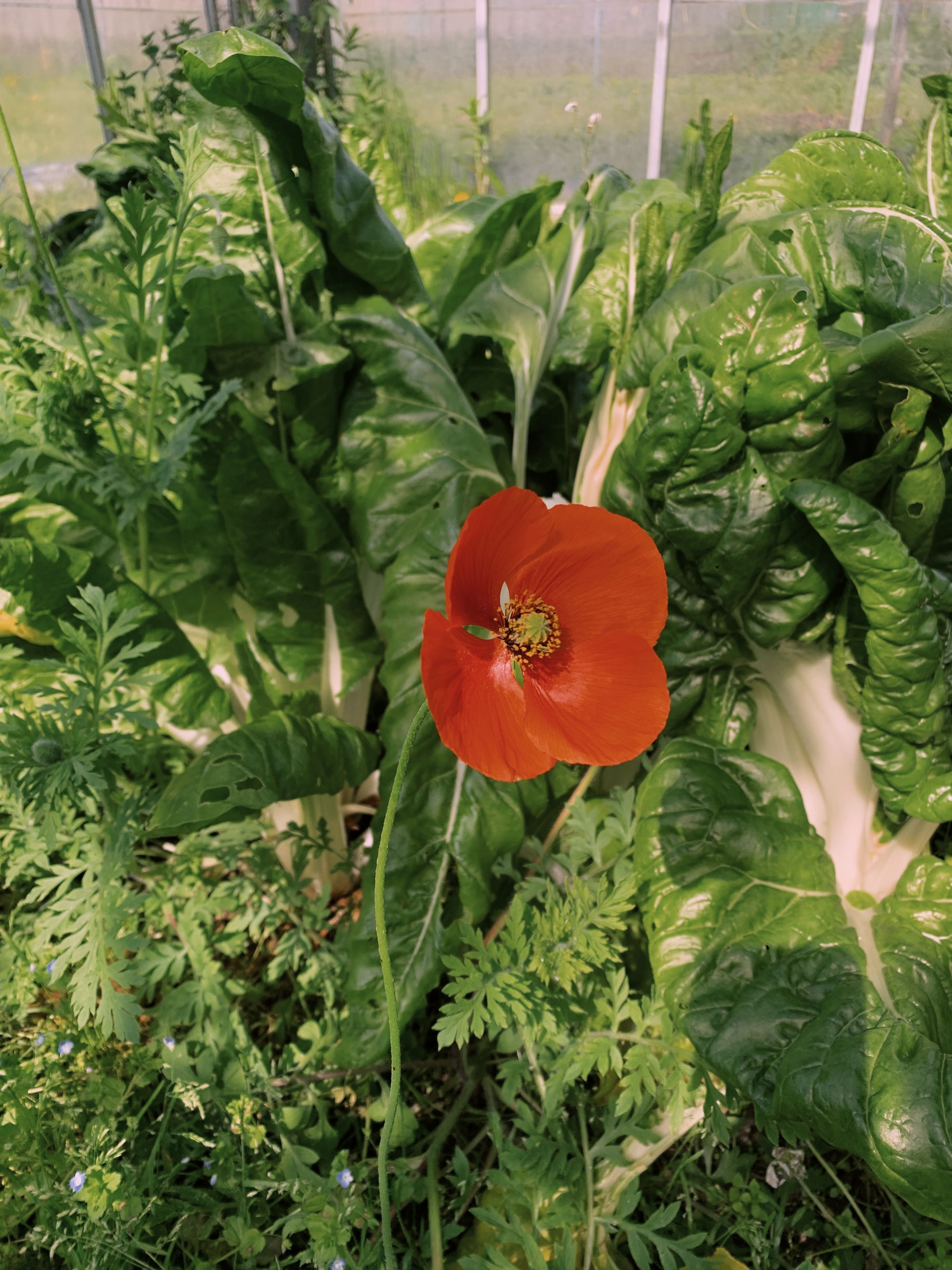
All this is a preamble to say that here at Barcombe Nurseries one of our core values is genuine transparency. As our Barcombe veterans will know, we have designed our website to clearly show where the pears are coming from this week, to show whether the celery is from France or Italy and to show what we’ll be harvesting from our own ten acres. We actively avoid green-washing and making extravagant claims we can’t substantiate, even if they’d grab people’s attention. Yes, we continue to buy biodegradable bags for our salad that cost far more than plastic ones, but we won’t shout about being entirely plastic free until all our suppliers revert to hessian-sack padding and wooden crates. Yes, we nurture and revere our land, but with over eighty indoor beds and a tiny (if determined!) team, we simply couldn’t operate without our rotavator, so we’re not ‘no-dig’. It’s not going to make a good catchphrase or strap-line, but since Adrian founded the business over twenty years ago, we’ve been doing our best! We know our strengths, and rely on other carefully selected growers to fill the gaps. Case in point: our soil is so clay-heavy you can practically fashion pinch-pots out of it and this makes growing things like potatoes nigh on impossible, so we source them as locally as we can instead. We’re also pragmatic and offer complete flexibility, we understand that even the most committed activist is probably going to fancy something Spanish at some point in the year, and rather than have them turn to the supermarket, we’d far rather they get it from us, where it will be certified organic and supporting a small business which has big plans for sustainability and community. We’re for everyone, every sized family with every allergy, every burning hatred or culinary obsession- this is where our brilliant swaps and dislikes system comes in.
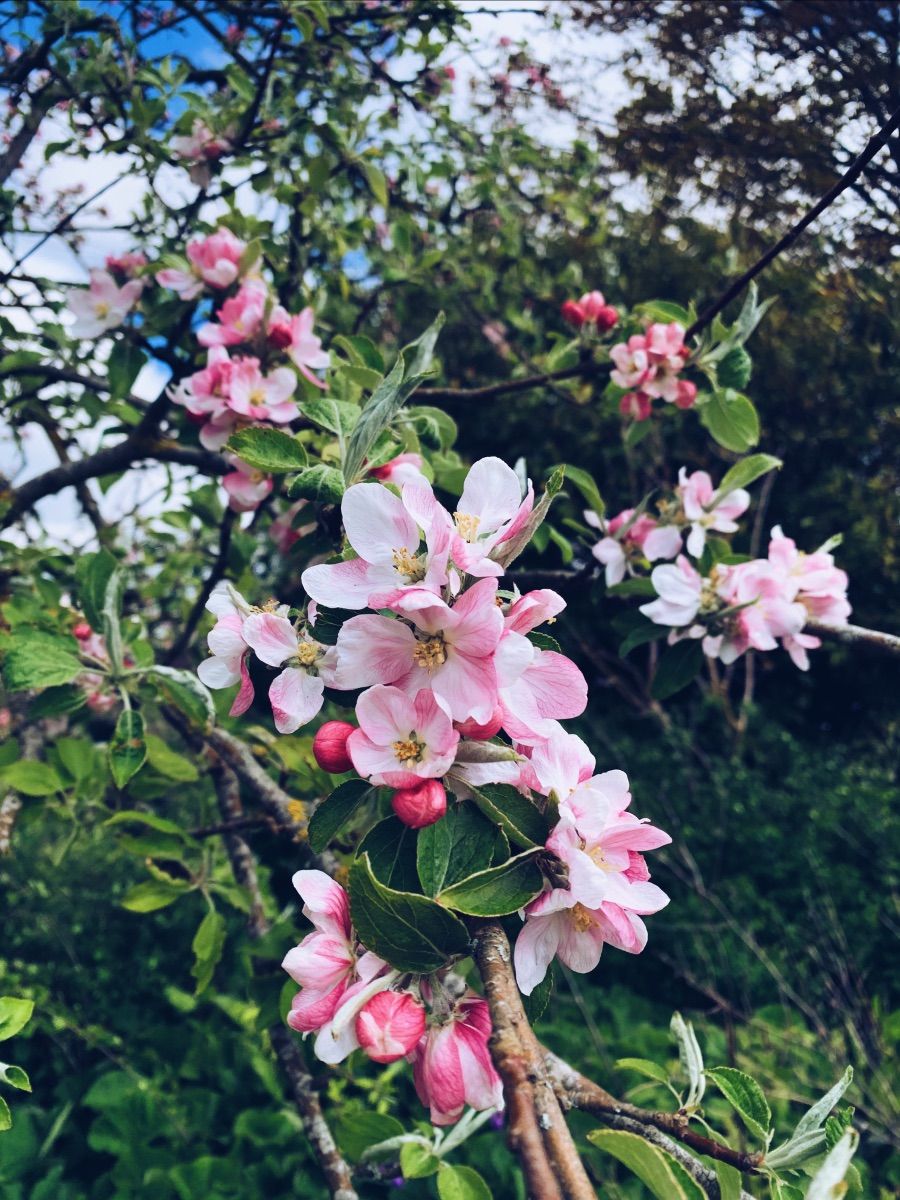
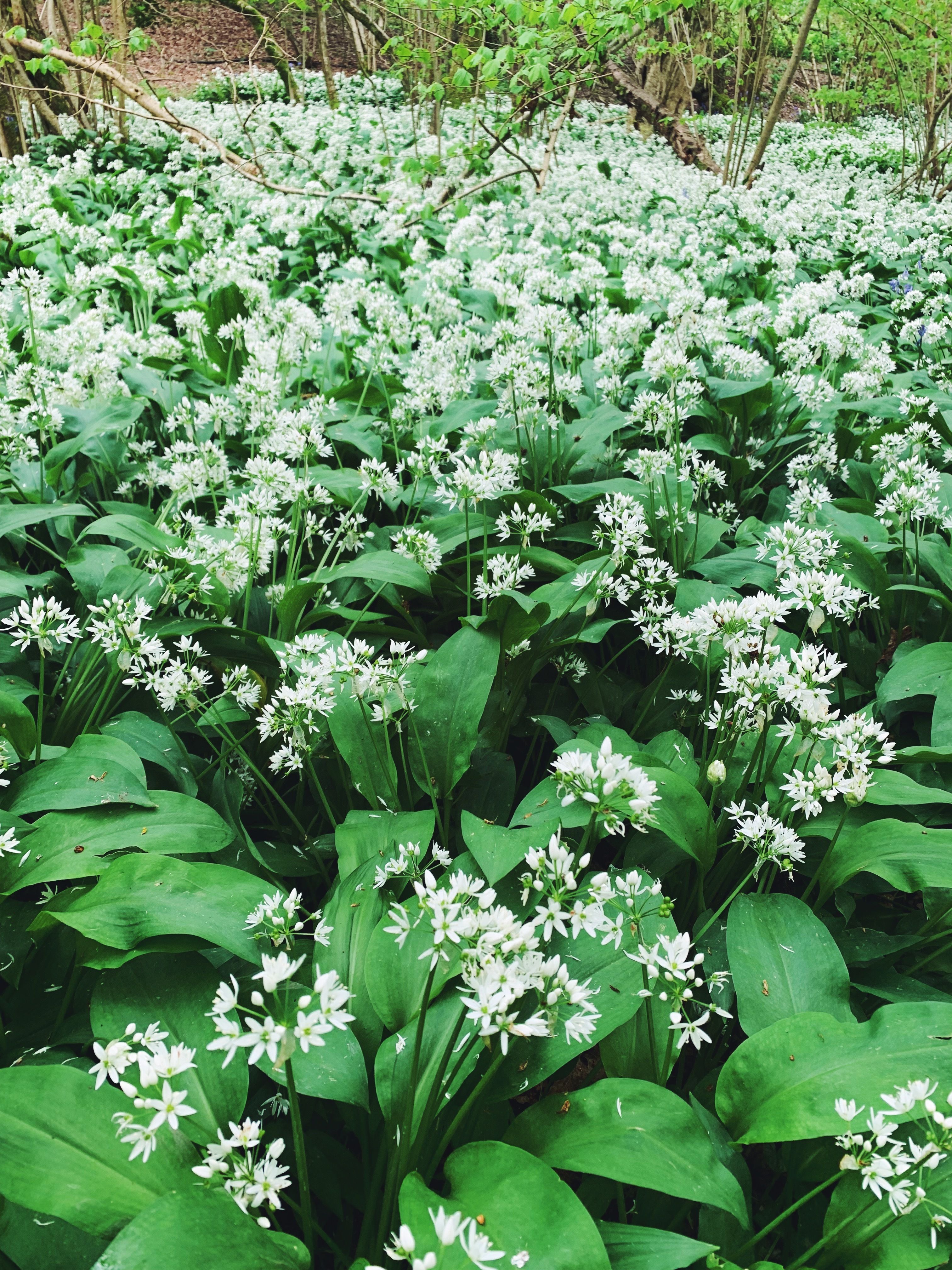
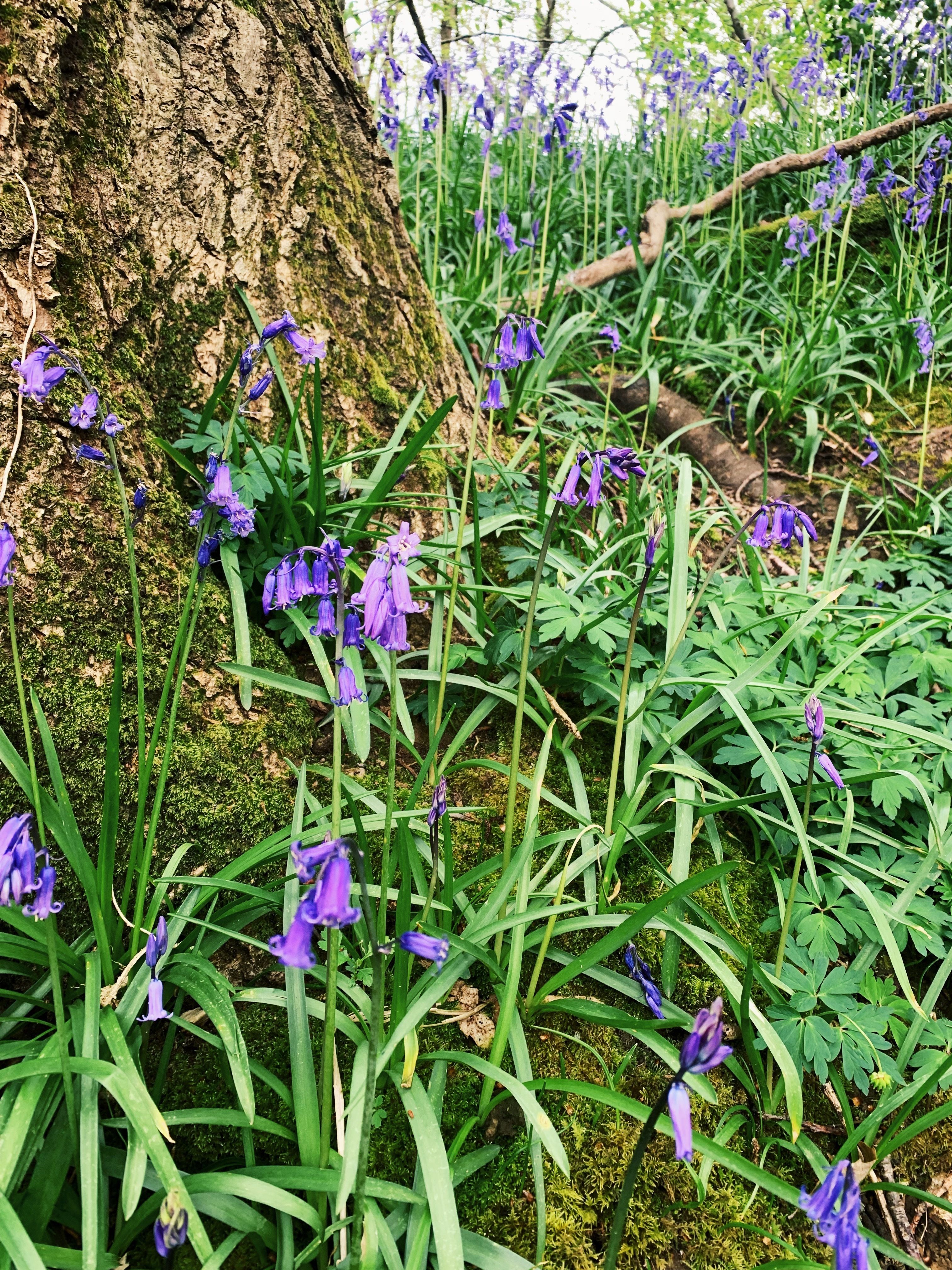
Back to that lack of Mediterranean veg…Barcombe veterans will also know that May is the most challenging time to fill ours boxes. We’re currently in a period of slim pickings that you can read more about at the bottom of our seasonal eating page (you can also read our previous updates here and explore all our recipes). If you’re new here though, welcome aboard, and to summarise, you will see rather less of our own Barcombe produce in your box over the coming weeks, as our existing crops literally make a bolt for it before we really get into our 2024 growing season. The leeks we planted last summer that have fed us all through the winter are rapidly dwindling in number while the bees are only just pollinating our broad bean flowers and apple blossom. In our surrounding woodlands the wild garlic is turning to seed and….well, you can’t eat bluebells! Hold on tight though, we still have some tricks up our sleeves (get ready to fall in love with Japanese salad turnips which grow so quickly it’s like a magic trick!) and before you know it we’ll be ready to generously share each of our many summery gluts.
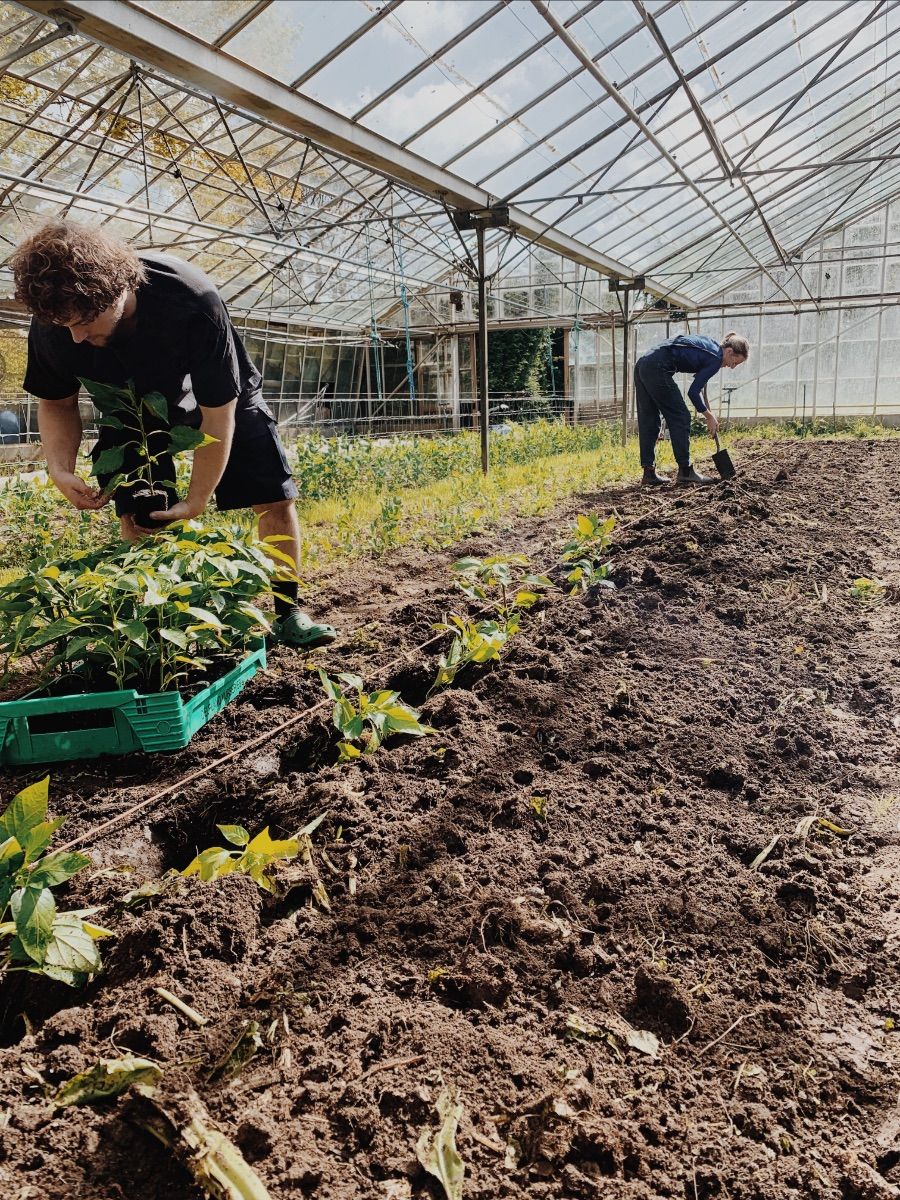
As well as those eighty indoor beds we mentioned (protected by glasshouse and polytunnels) we have two fields, each divided into five patches (one of which our rotation ensures is always resting with a lovely green manure!). This means we have plenty of space, along with the areas we keep wild to support biodiversity, to provide for all our customers, whether you are a fan of our ever changing salad mix or stay hale and hearty with a regular helping of kale. Talking of our fields, even the most office-bound of you won’t need telling that oh boy, it’s been WET, almost apocalyptically wet. This means our outdoor planting is yet to kick off, but we’ve had plenty to keep us out of mischief, planting out hundreds of cucumbers, peppers, aubergines and the like, as well as keeping up with our formidable sowing plan. With the first basil germinating as you read this (meaning pesto isn’t tooooo far away) and the oaks all in leaf, we’re feeling quietly optimistic. We also recently welcomed Jo onboard, who some of you might know from her previous role at Hankham. Miles, Hankham’s main man was one of the original Barcombe employees so as small farms, we’ve always been very aligned and already know she’s going to be a huge asset.
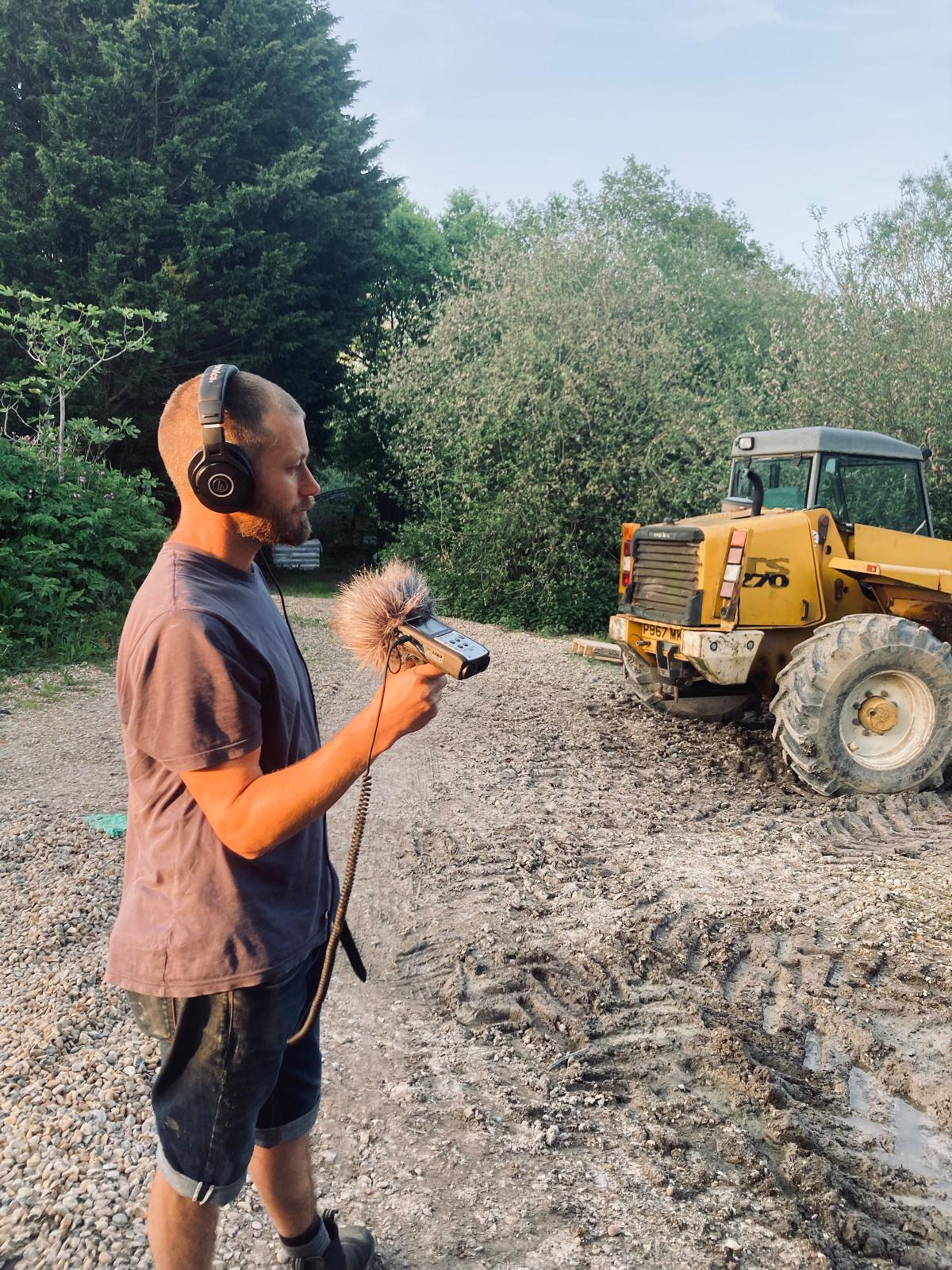
Alongside this latest instalment of our quarterly newsletter, Harry brings us another soundscape made from recordings taken around the farm. Last time you heard the dissonant fanfare of glasshouse vents opening and the bassy gurgles of a water pipe, this time get ready for the song of the compost heap along with frogs and bumble bees!


© 2026 - Barcombe Nurseries
Powered by
