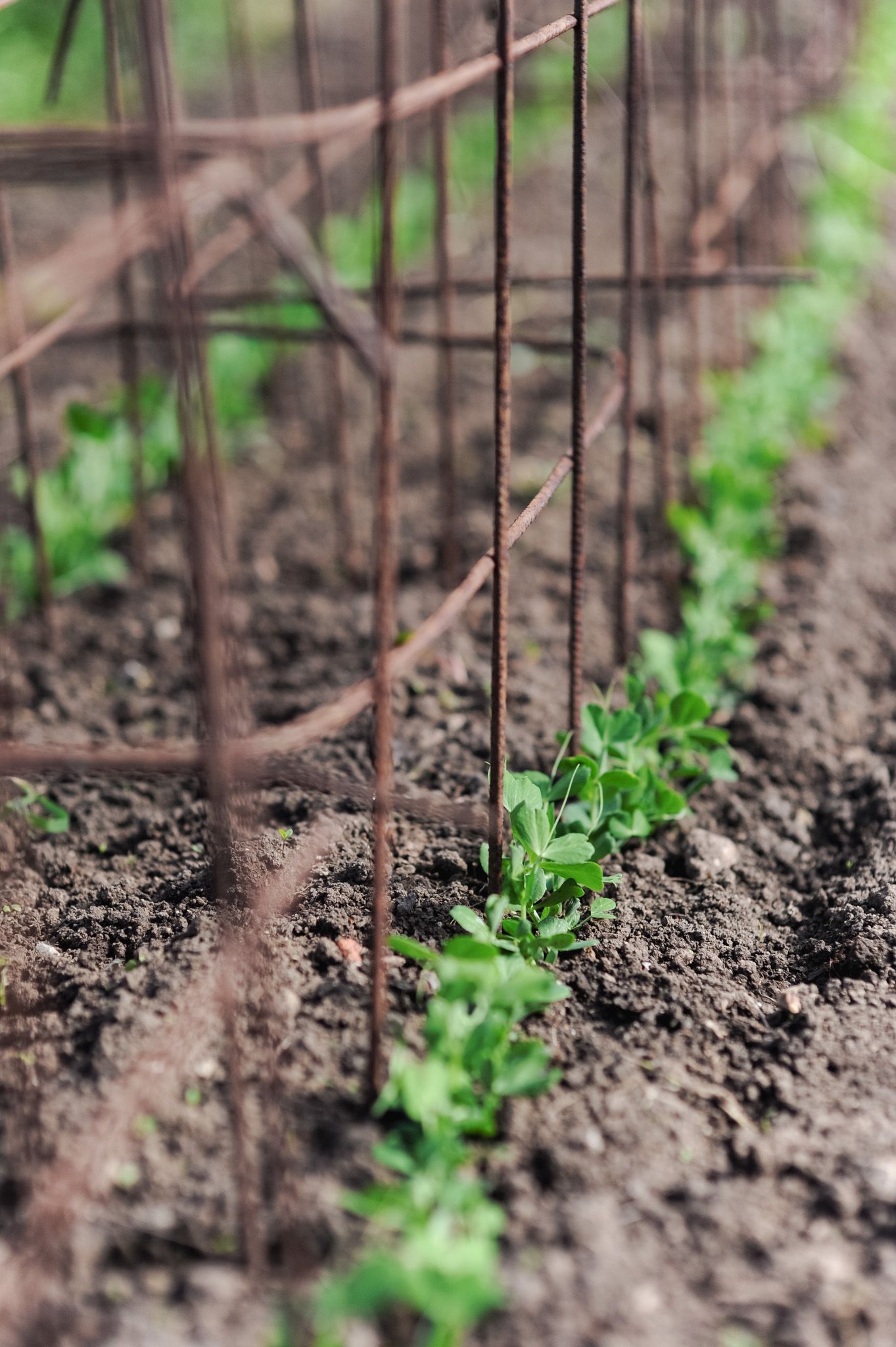
Whilst still in the midst of the hungry gap, where fresh produce across the UK is thin on the ground, we’re excitedly seeing the first signs of summer’s bounty— tender greens bursting through, peas shoots climbing, asparagus starting to stand tall. The promise of much more to come buoys us as we plant and prepare and sow.
Notes from the field
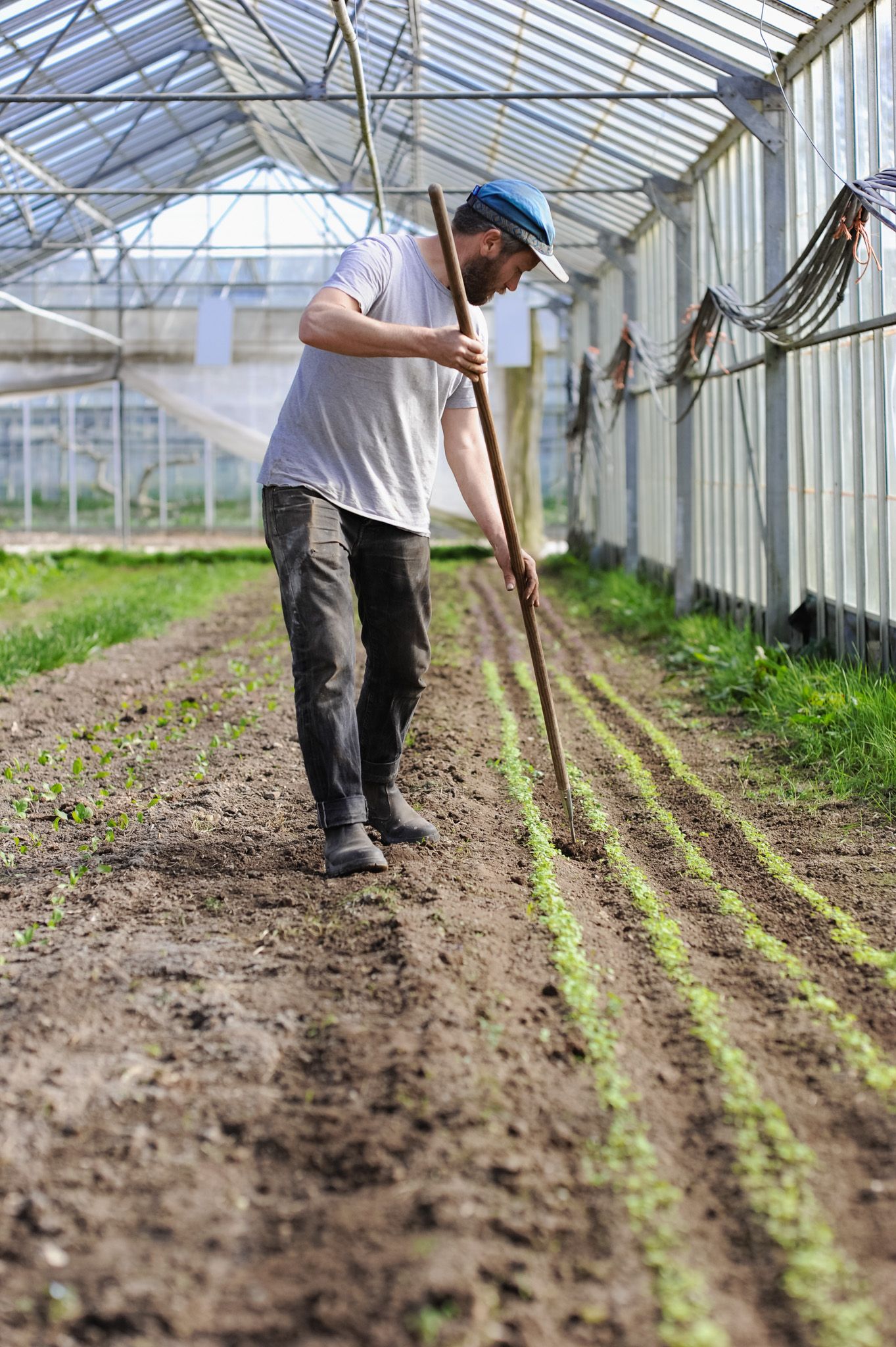
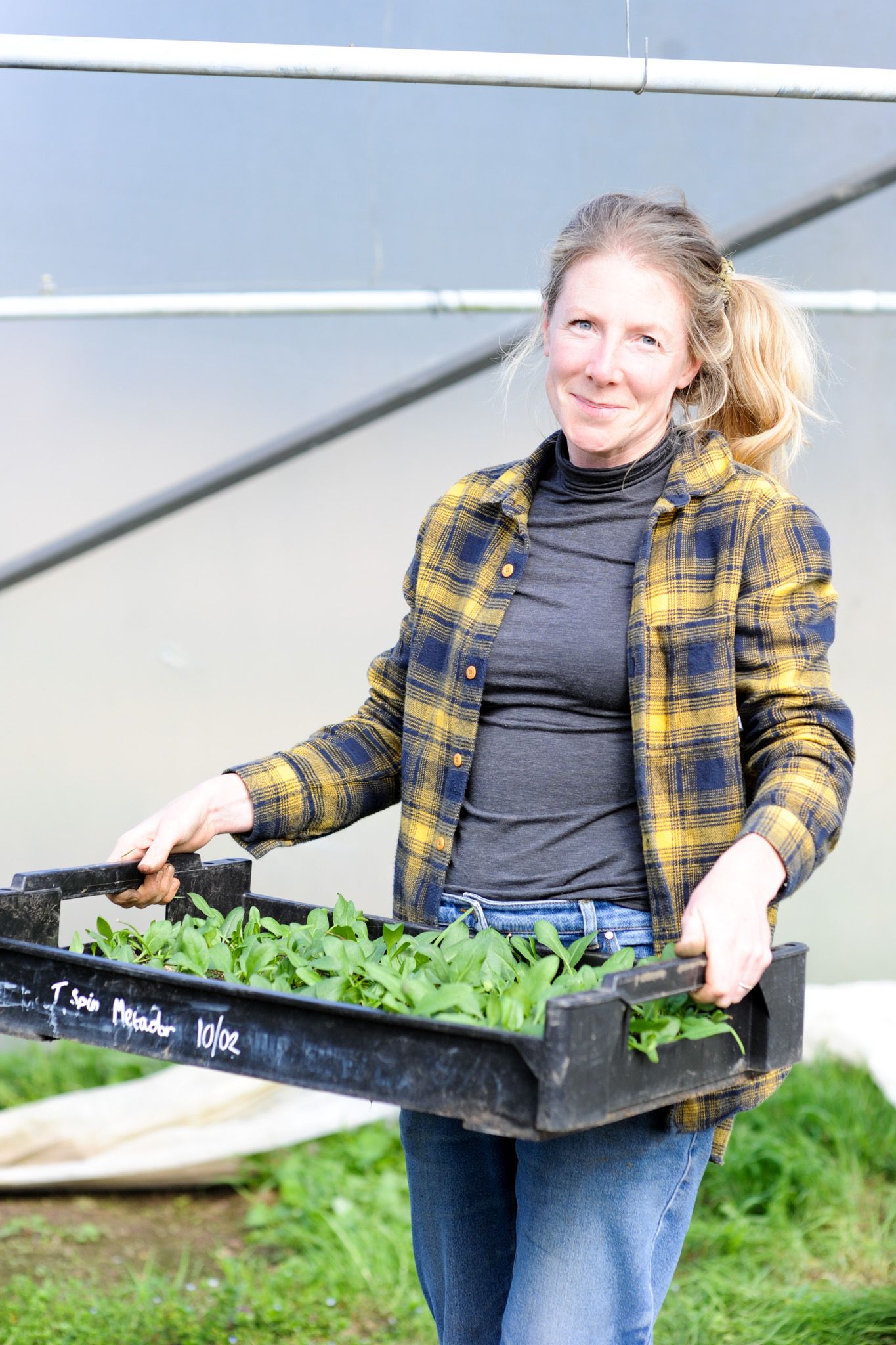
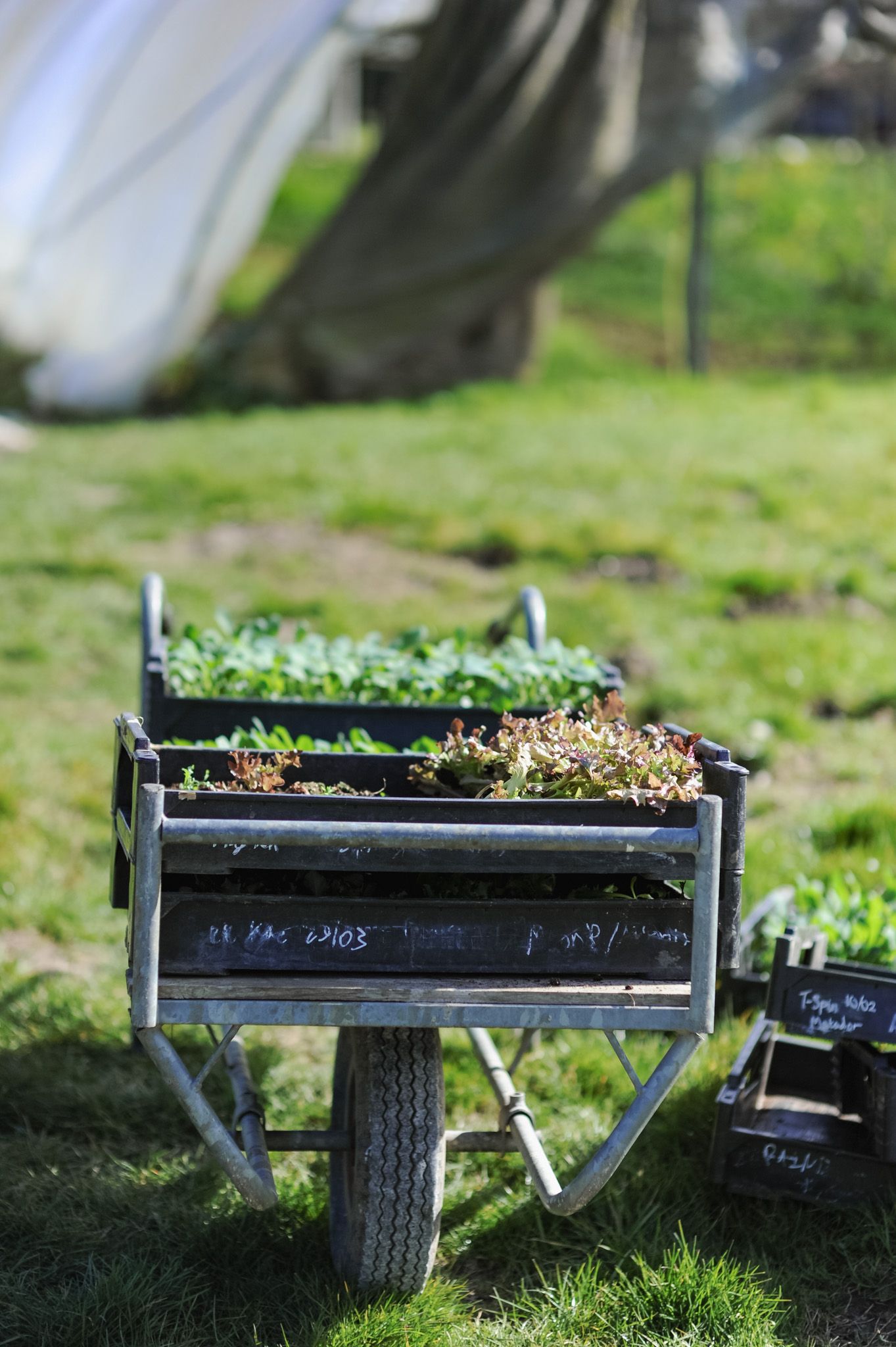
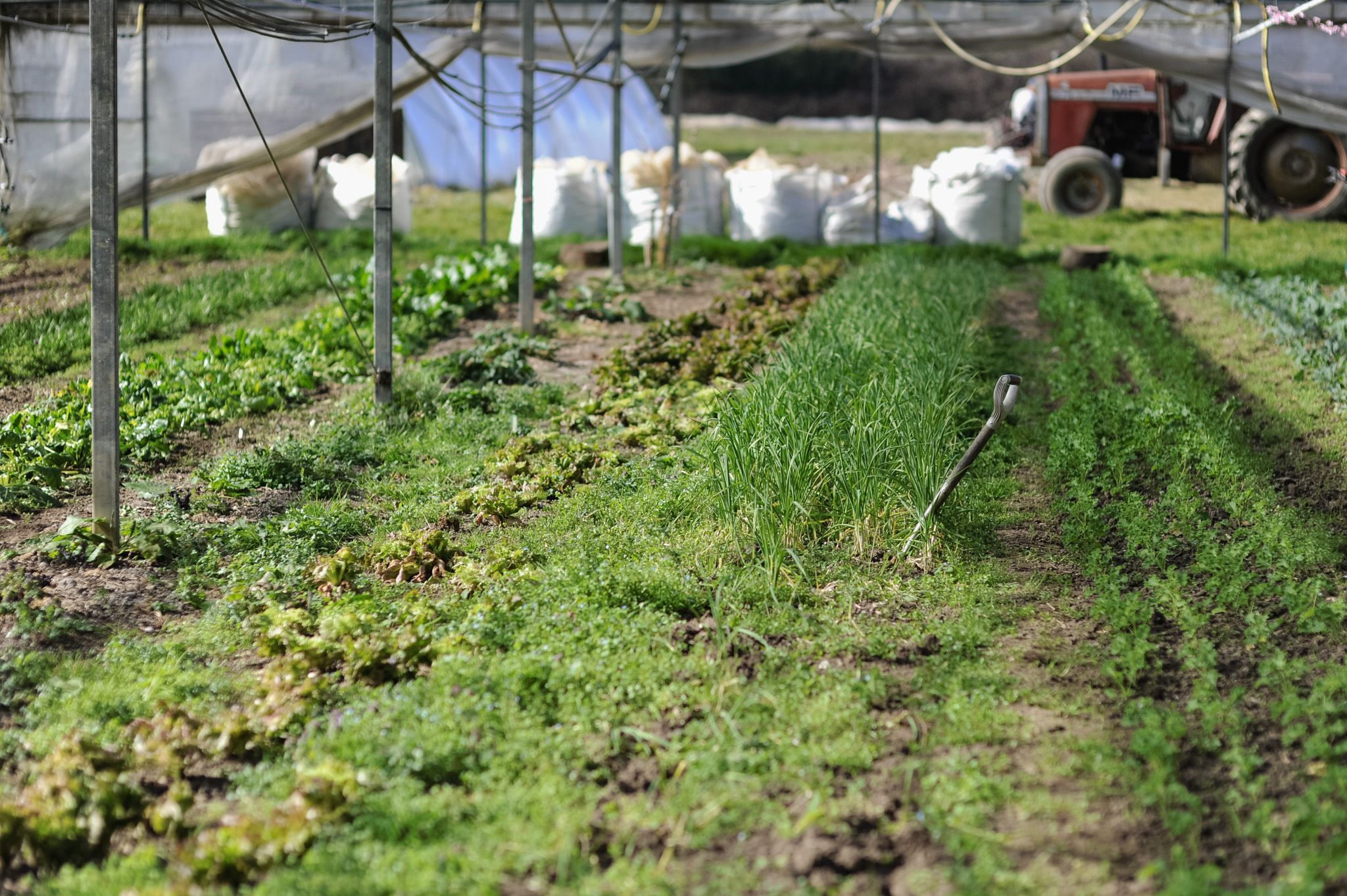
Just like us, the crops are enjoying the sunshine and longer daylight hours and things are really growing now. We’re seeing the last surge of growth from our overwintered caulis, chard and purple sprouting and we’re already harvesting new season greens and salads from our polytunnels and glasshouses which really come into their own during this period of scarcity. Alongside planting and regular hoeing of our indoor beds we are beginning to prepare our outdoor areas. With our clay heavy soil the timing of this is crucial: attempt when too wet and we can cause long lasting damage to soil structure but leave it too long and it’ll turn to concrete. Luckily over the last few weeks it has dried out just enough. With current understanding of the damage cultivation can do to soil and the life within it, we currently practice a minimal tillage system here: shallow cultivations to incorporate weeds and crop residue and then we apply compost and let the soil biology do its work - we try to leave the majority of the soil undisturbed. The plough has become a divisive tool in modern agriculture but it still has its place, especially in large scale organic farming. We only use ours once every 5 years to incorporate green manures - crops we grow to build soil fertility - but it’s unhelpful that even in the general public's perception it’s become such a demonised tool. Conventional no till agriculture is now widespread and is celebrated for its zero disturbance of the soil but, it is heavily reliant upon herbicide (something not often mentioned) to do the same jobs we use shallow cultivations for in organic agriculture.
Farming in any form is a step away from nature but as organic growers we do our utmost to respect and care for the earth as well as the life within it.
Supplier spotlight:
Third Culture Kat
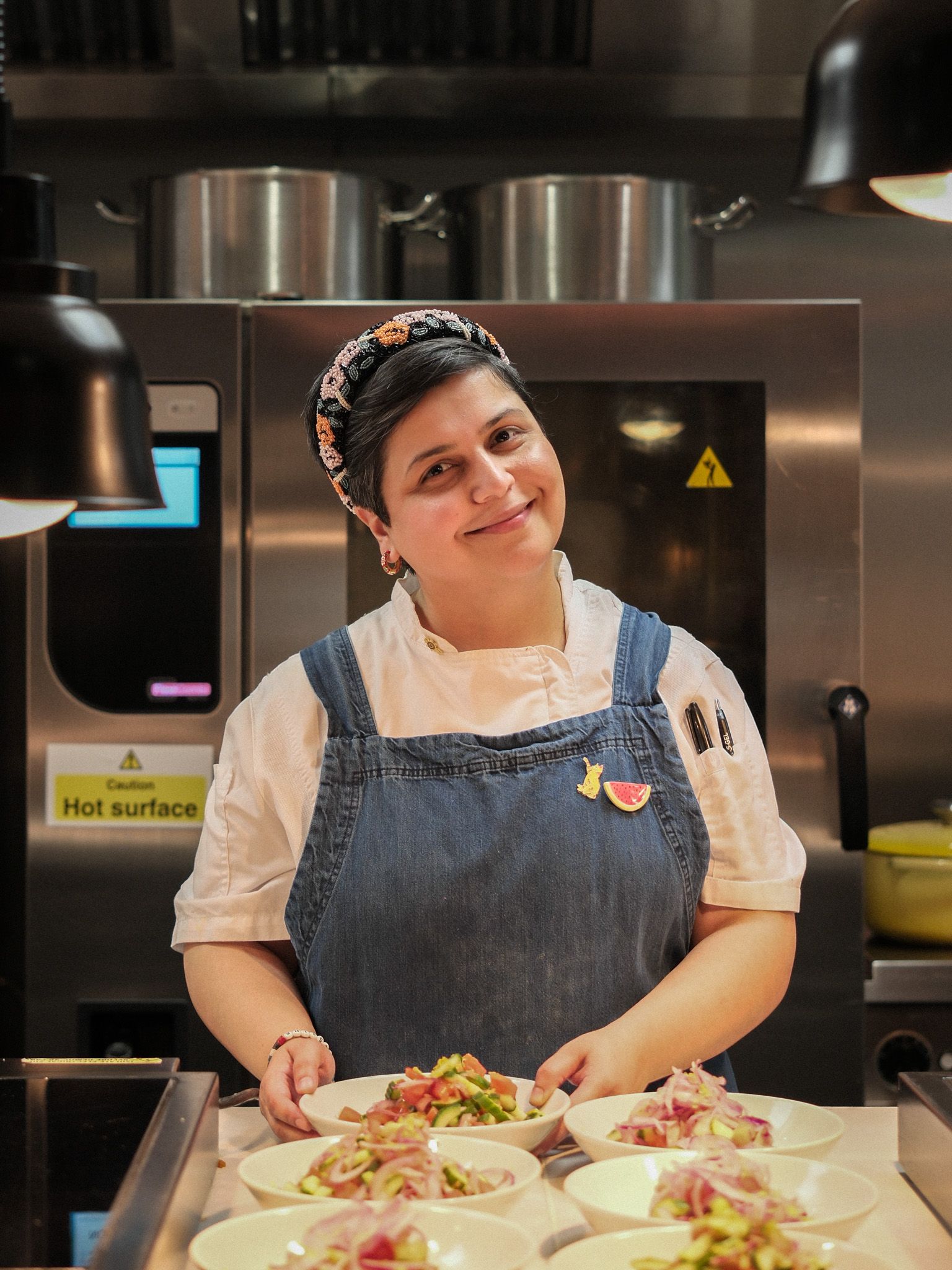
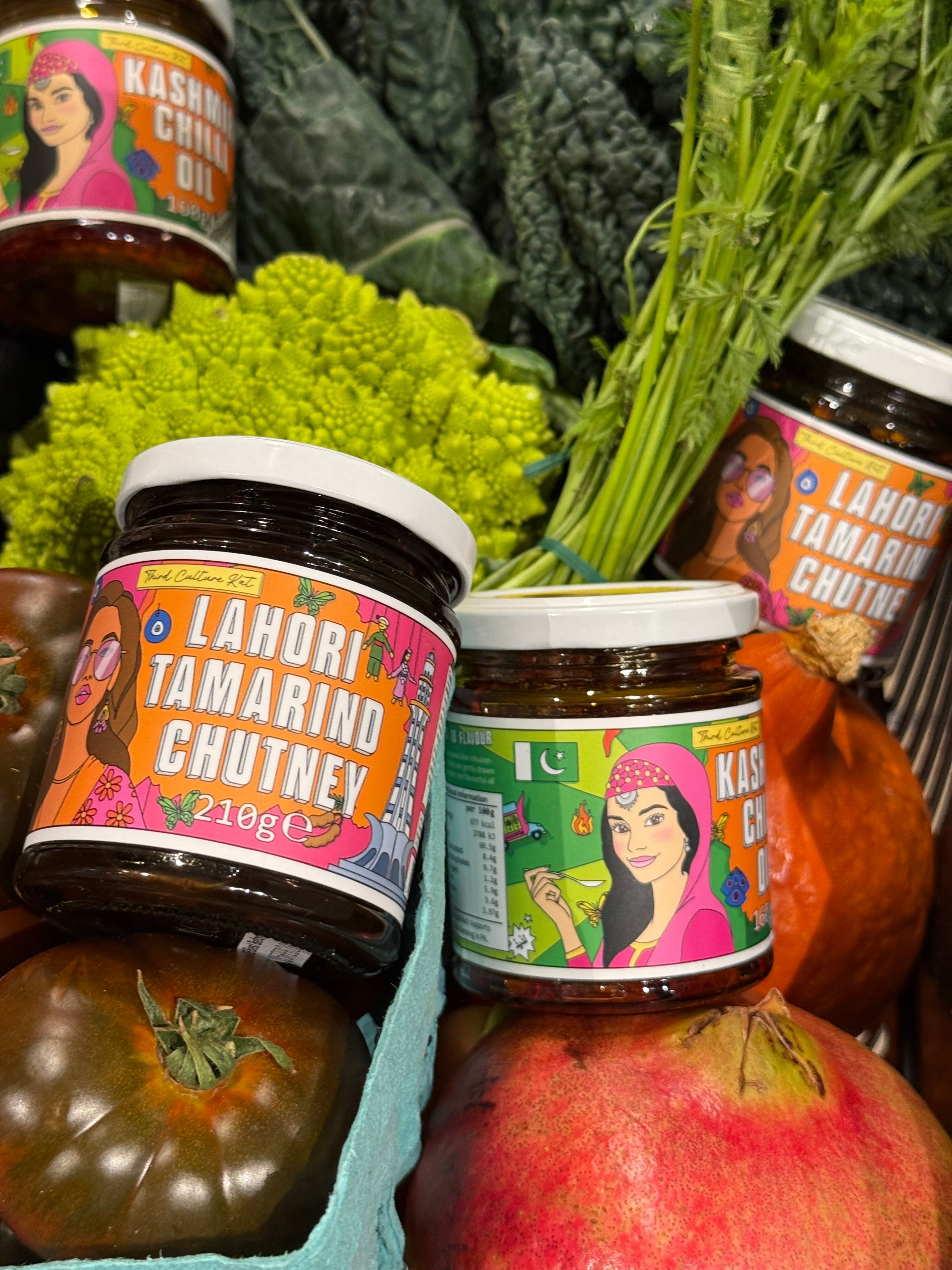
This month, we chatted to Saliha Khan, a Pakistani chef, entrepreneur, and the founder of Third Culture Kat. The intensely spiced Kashmiri chilli oil has been a huge hit on our essentials selection and the Lahori tamarind chutney is a sweet and citrus addition to the range.
Saliha comes from a family with strong farming roots; her grandfather was an activist, a veteran politician and a mango farmer with a deep connection to the land and she grew up surrounded by conversations about agriculture and produce. Her culinary journey brought her to London, where she earned her Grand Diplôme at Le Cordon Bleu and she worked in some of the London's finest food establishments. Passionate to connect people to the flavours of South Asia, especially the sometimes overlooked culinary heritage of Pakistan, Third Culture Kat was born: "I wanted to create something that felt familiar yet exciting - condiments that could be used in everyday cooking but that still held those nostalgic, bold flavours I grew up with".
Sourcing is incredibly important to Third Culture Kat and Saliha works directly with farmers in Pakistan - many of whom are from minority communities - ensuring they’re paid fairly for their produce. "This is crucial, especially given how much of Pakistan’s economy relies on agriculture". Her ingredients are all pure and allergen-free and specifically chosen to reflect the depth and complex flavours of South Asia without compromise. Saliha states one of the biggest challenges is balancing authenticity with practicality since traditional methods often involve fresh, seasonal produce and slow cooking, which isn’t always easy to replicate at scale. To maintain those deep, complex flavours, she has carefully adapted these techniques without cutting corners - from hand-roasting spices to slow simmering chutneys.
The bold and bright contemporary branding of Third Culture Kat certainly catches the eye and in a highly competitive condiments market definitely played a role when we were selecting Saliha's products for our essentials range. "The branding is deeply personal". Each label is designed by Abrahim, a Pakistani artist and features cultural landmarks to tell a story of heritage and identity. "I wanted the visuals to feel like a celebration - vibrant, bold, and unmistakably South Asian - while also paying tribute to the women who’ve shaped our food traditions".
The condiments are incredibly versatile. Saliha suggests drizzling the tamarind chutney over roasted vegetables, stirring into yoghurt for a quick dip, or even spread inside a cheese toastie for a tangy kick. The chilli oil works beautifully in everything from eggs to noodle dishes to soups, or even brushed over grilled meats for extra depth. "Try adding a spoonful of tamarind chutney to salad dressings for a tangy twist or mix it into mashed potatoes for a burst of flavour. The chilli oil is great drizzled over pizza or mixed with honey to create a “hot honey”glaze for roasted carrots."
One of Saliha's favourite recipes is a spiced tamarind aubergine dish: "roasted aubergines with a rich tamarind glaze, finished with fresh coriander and pomegranate seeds. It’s sweet, tangy, and utterly comforting - perfect as a side dish or spooned over warm flatbreads".
Thank you Saliha!
Go add a chilli oil or a chutney to your next order and let us know what you think! We're off to make a round of cheese toasties!
Seasonal focus
Pearl barley risotto with green garlic and red Russian kale
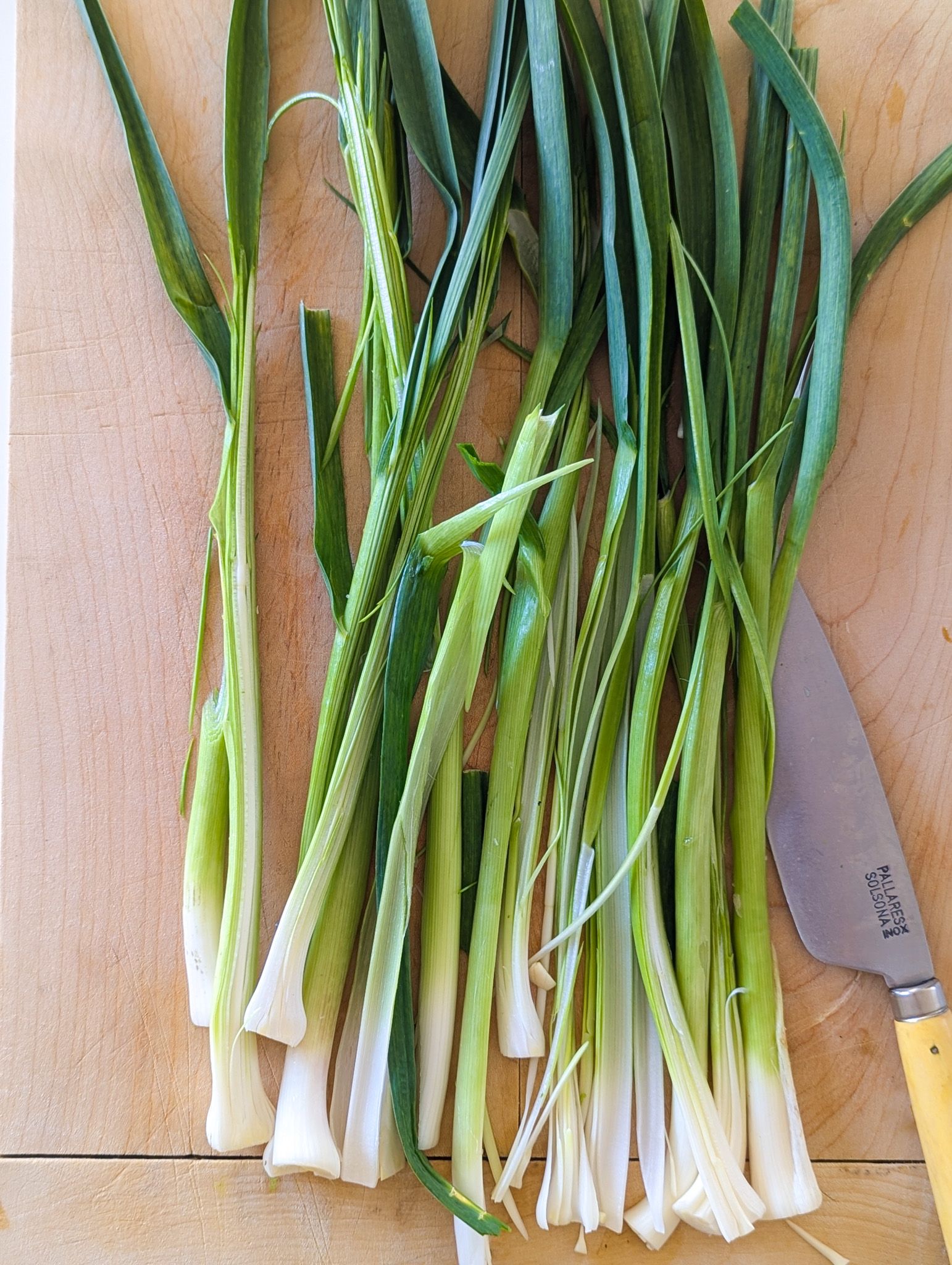
At this time of year we look towards crops that can bridge the gap and bring brightness and flavour to the table at this time of seasonal scarcity. Green garlic is the ideal crop; essentially young garlic, harvested before the bulb fully develops, it has a milder, fresher taste compared to the mature, fully cured bulbs you find later in the year. Sweet and mellow, use in place of spring onions, leeks or chives in any recipe. We made a pearl barley risotto with our green garlic and red Russian kale this month. It's substantial yet fresh and showcases the versatility of Third Culture Kat's the Lahori tamarind chutney giving it a subtle zesty heat. Do also check out our '4 ways with green garlic' feature if you want a few more ideas of what to cook.
In spite of the challenging gaps this season brings with UK veg, we are still working hard to bring you wonderful fresh produce, which means offering alternatives you might not have tried before and certainly won't find too often in the supermarket. With each week that passes, with more and more growth emerging, we’re reminded of the joy in growing our own food that nurtures both the land and our community and even though more items travel from further afield, we'll be back to full growing season come the early summer with all the delicious spoils we have to offer. May Spring smile on us all this month.


© 2026 - Barcombe Nurseries
Powered by
