After the quiet diligence of January’s preparation, this month holds the promise of spring’s first green shoots. The wet weather has been biblical and we hold on as best we can, marvelling at nature’s resistance, and our own.
Notes from the field
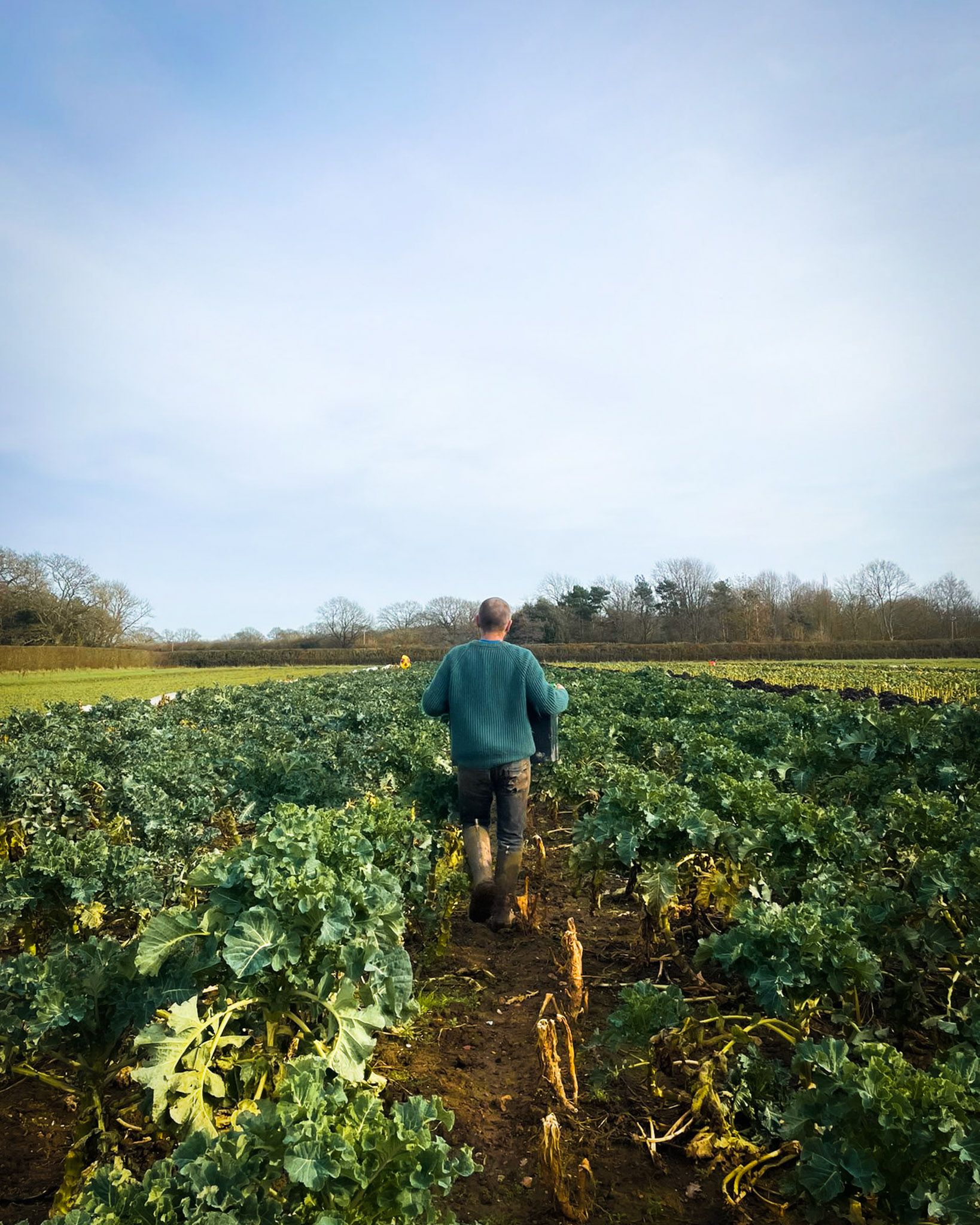
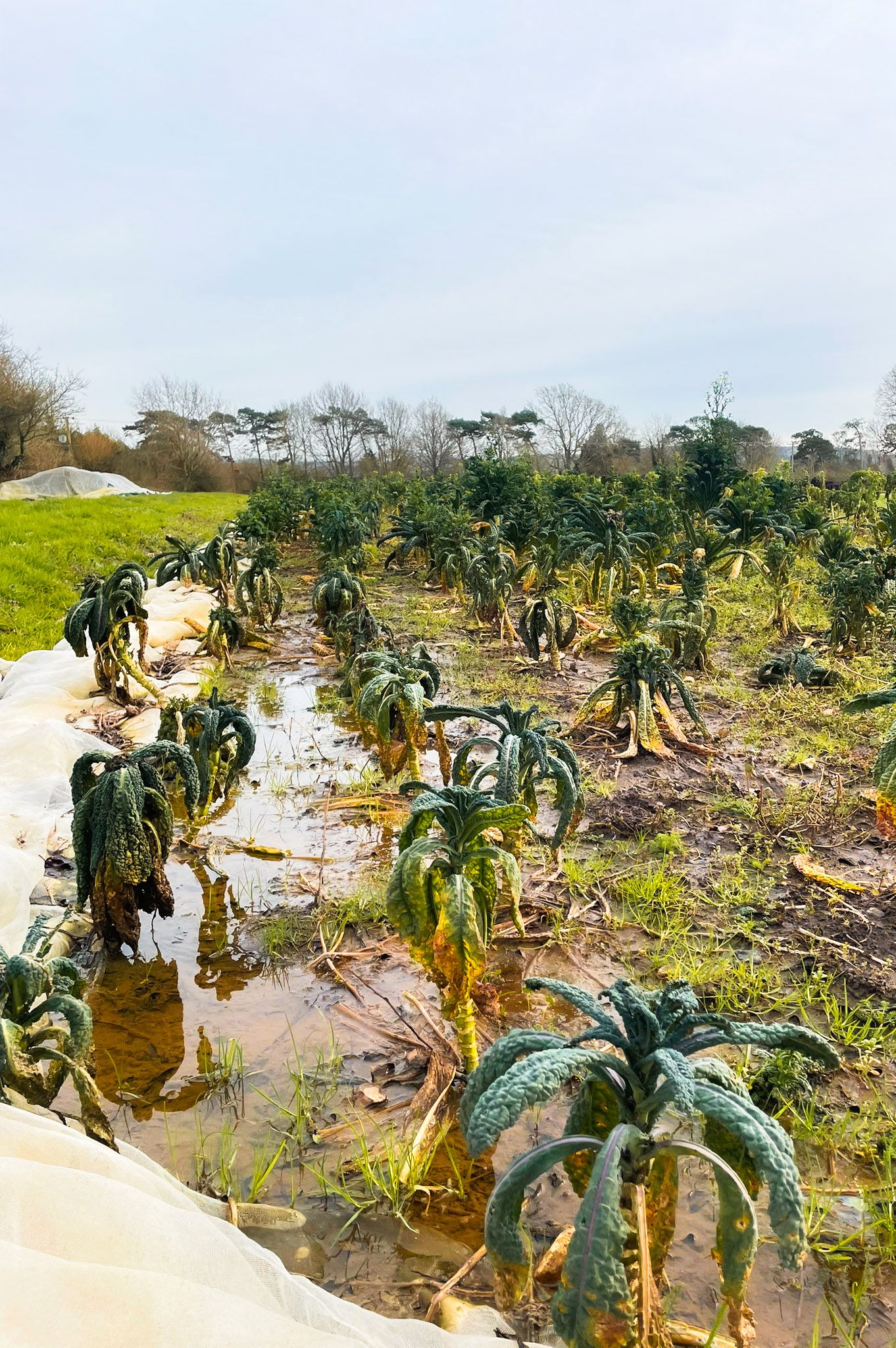
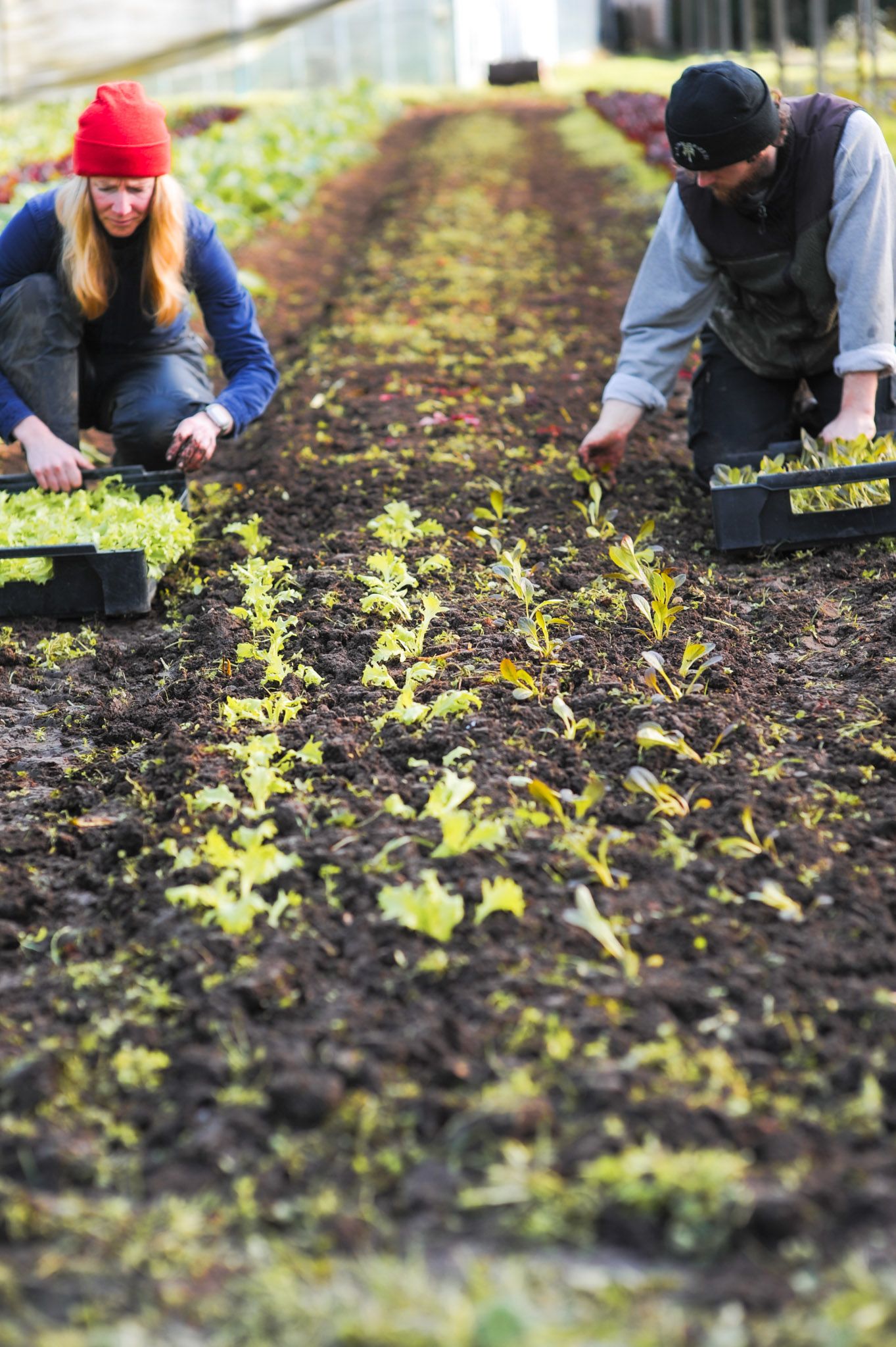
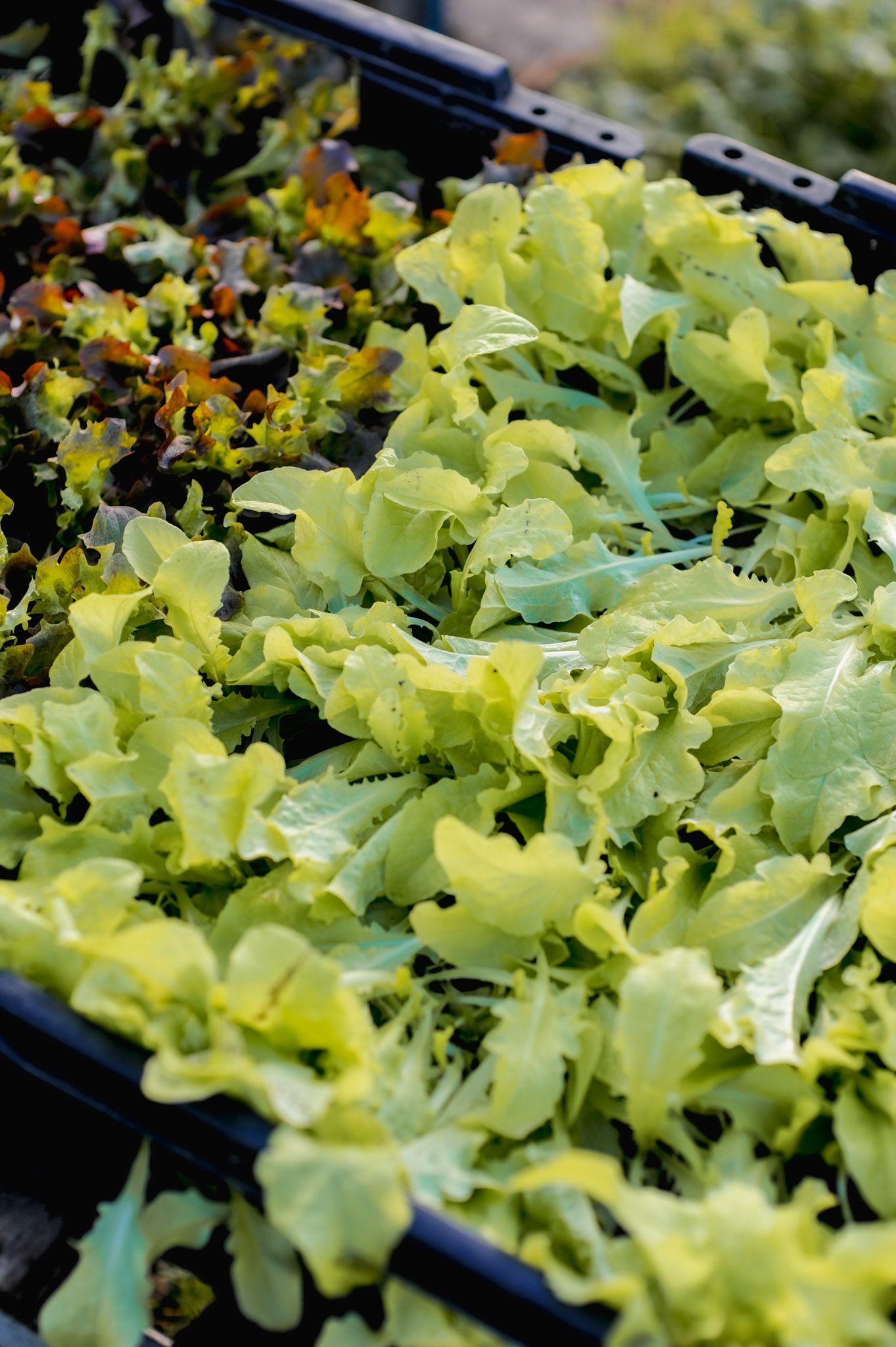
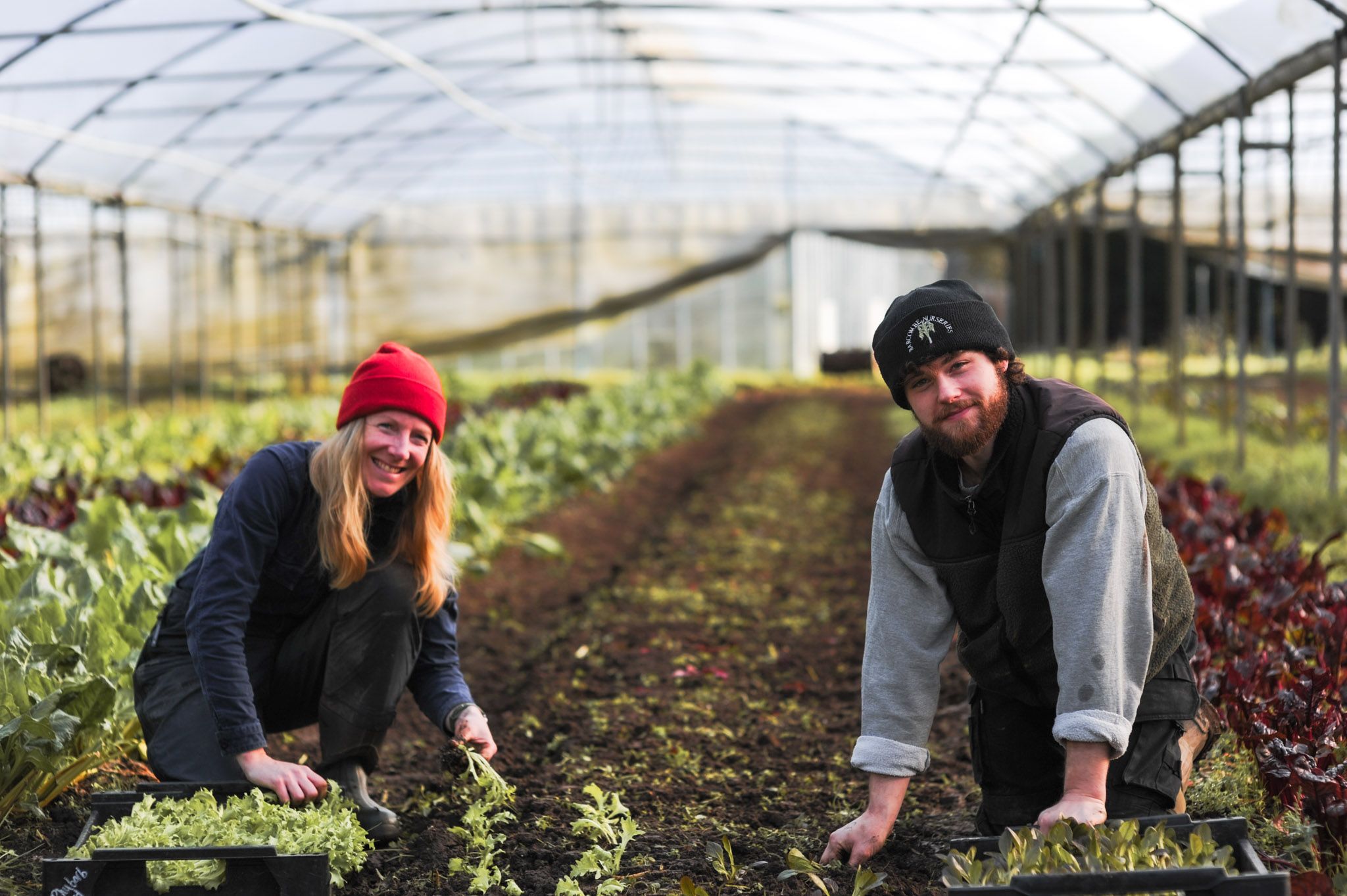
It’s been a very difficult few months across the country for farmers; with the relentless heavy rain, Spring crops are now wilting and rotting in the fields. Our cauliflowers are the worst affected by the lack of sun and before the rain has a chance to drain away before another deluge arrives. Now the hungry gap looms on the horizon too, making supply all the more limited. This period is something all UK farmers face every year from March through to June, where winter produce has been harvested and enjoyed and we now have to wait for the new season’s crops to catch up. We’re in a fortunate position here at the farm: we have a squash store full of Crown Prince which will see us through to May (luckily it gets tastier the longer it’s stored!) along with our winter brassicas and leeks. We’re blessed with an acre of under cover cropping, with our polytunnels filled with salad crops and there’ll be a final flush of growth from our chard and spinach in early March. Purple sprouting will be here then too; after an amazing harvest last year we’re keeping our fingers crossed for some dryer weather to coax them along! We’ll fill any gaps we can by sourcing organic produce from further afield to keep your boxes varied and interesting through this tricky period but you can always opt for our UK only box or swap items out if you’d rather stay local. Our suppliers and partnered farms are all governed by the same regulations as we are so you can expect the same commitment to ecology, health and sustainability that we are built on.
Spotlight on our packaging
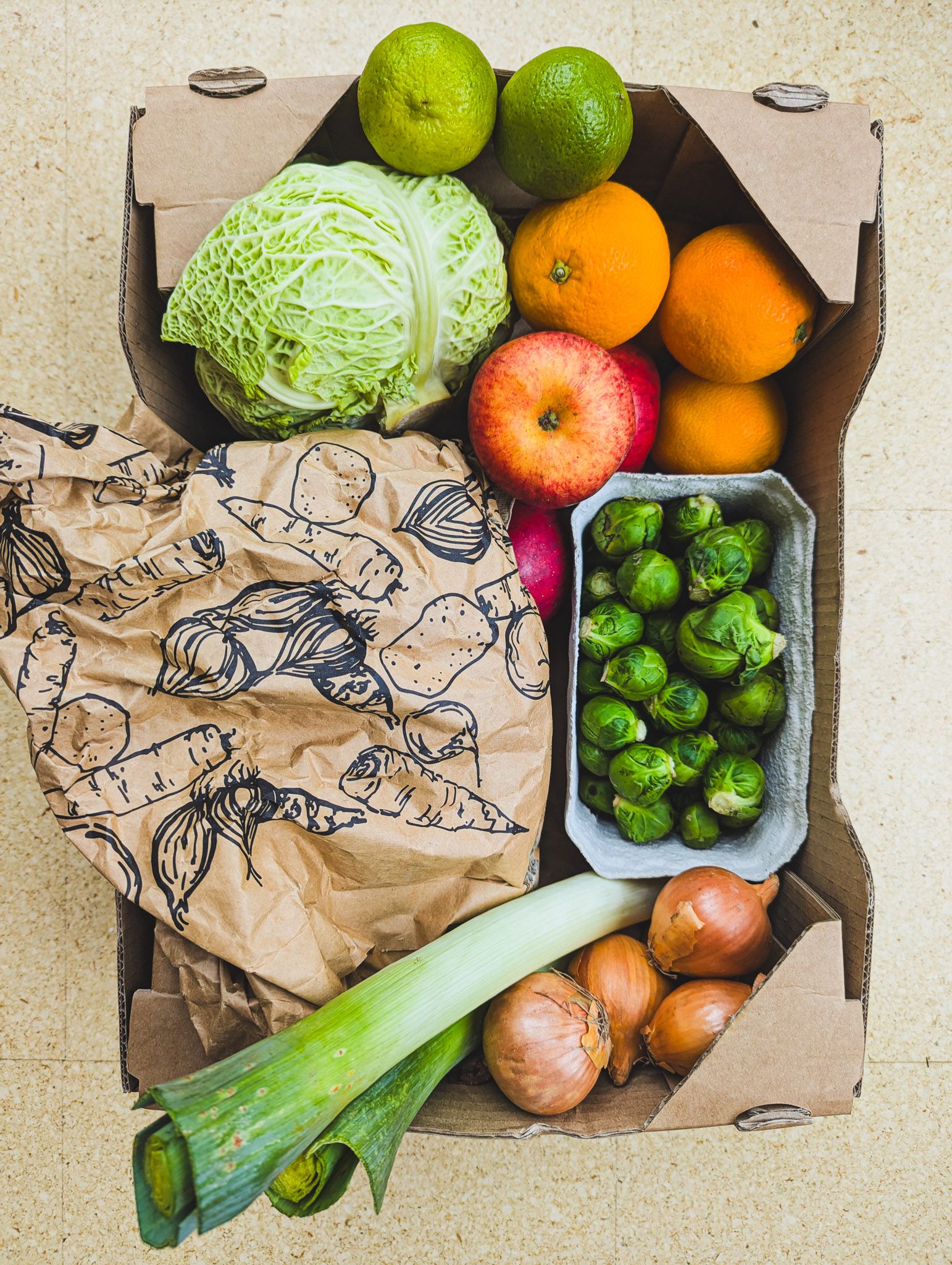
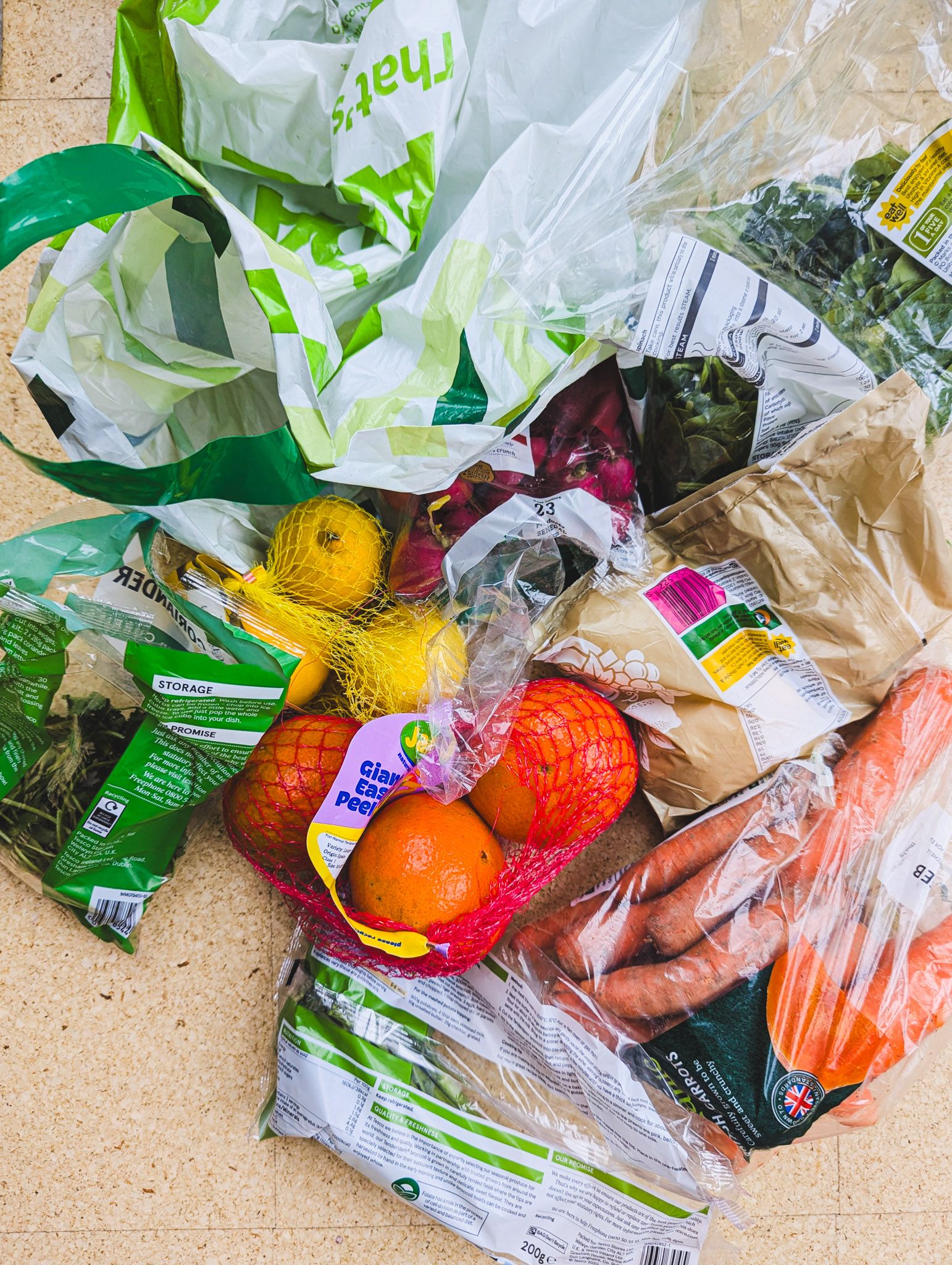
The UK throws away over 295 billion pieces of plastic every year and, whilst it might say recyclable on some supermarket packaging, it’s widely acknowledged to be incredibly challenging to recycle soft plastics at scale. We keep all packaging to a minimum, choosing either reusable, returnable or home compostable materials - guaranteed no plastic, ever! Even down to the stickers on our home salad bags!
We’ve been plastic free since 2019 so the supermarkets have got some catching up to do! Read more about our packaging in the ‘About Us’ page of our website.
Seasonal Stock
Coriander Seeds
Grown right here in Sussex, these fragrant coriander seeds are of exceptional quality with a high oil content and superb aroma. Ideal for pickling and fermenting, spicing curries and dahls, they’re also great with this season’s citrus. We like to toast them and scatter over granola, yogurt and blood orange. Check them out in our Essentials range.


Sussex Saffron
When you think of growing saffron where comes to mind? Iran? Afghanistan? Perhaps Italy? How about the South Downs?! Sussex Saffron is the UK’s only certified organic producer and use regenerative farming techniques to grow and harvest all their flowers. We stock two sizes of this crimson gold and just a few strands pack a real punch.

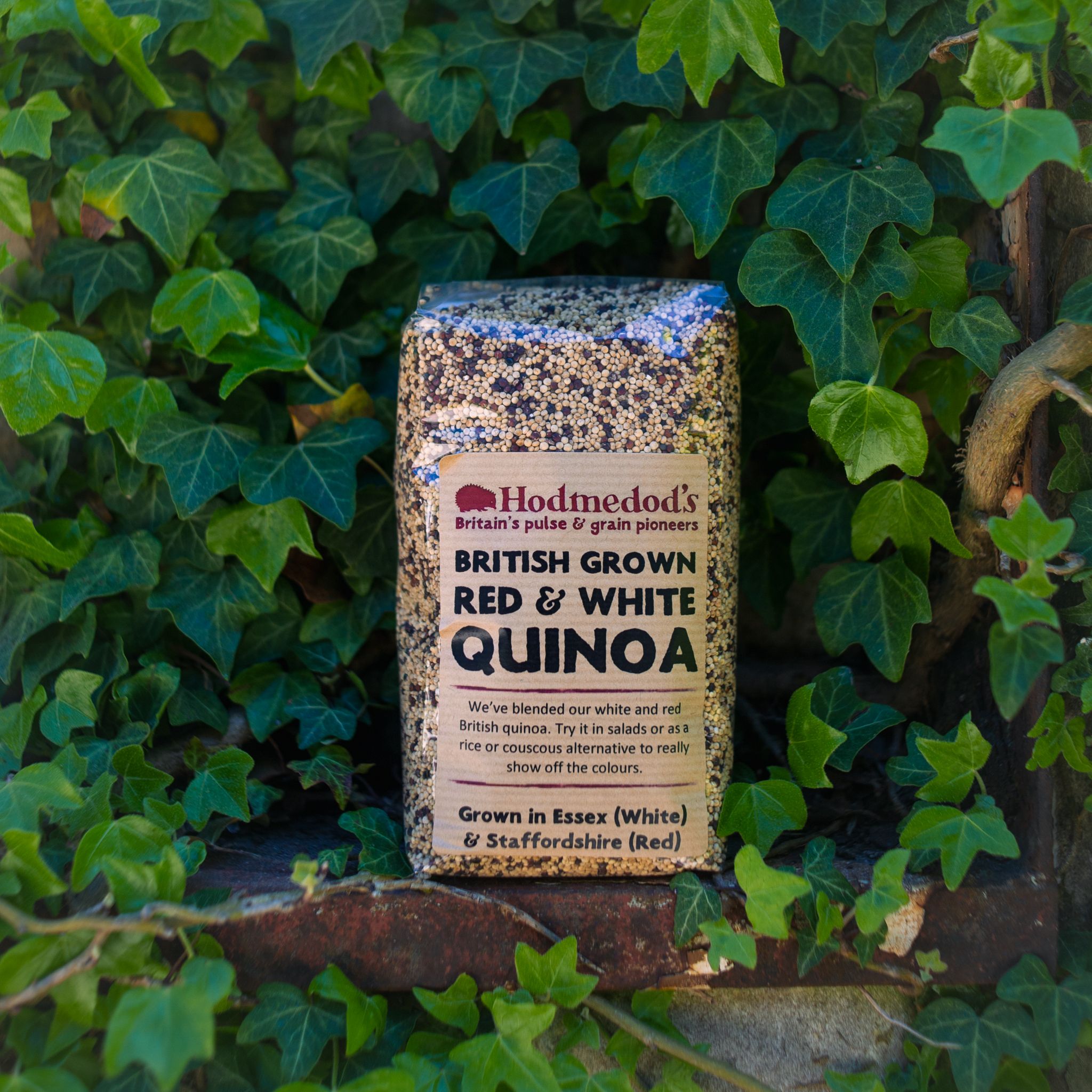
Red & White Quinoa
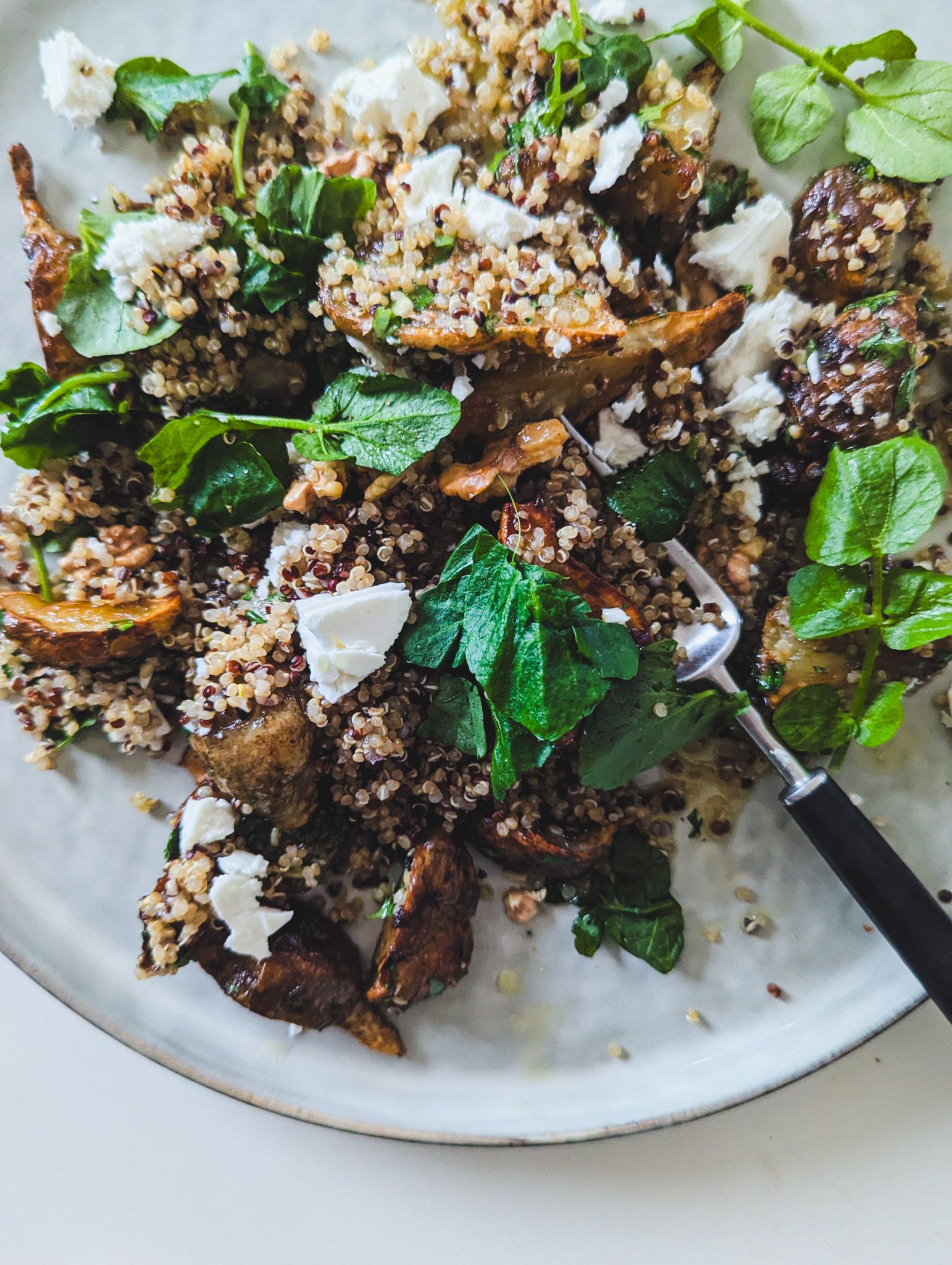
Back in stock is our popular Red & White Quinoa from Hodmedod’s. Quinoa is actually a nutrient dense seed disguised as a grain and is a complete protein, packed with fibre, vitamins and antioxidants. Easy to cook and a great gluten free alternative to rice or couscous, grab some now in our Essentials range.

Blood Oranges
Through the dark of winter comes a burst of vibrant red! Yes, it's blood orange season! Full of vitamin C and fibre they're also rich in antioxidants like chrysanthemin, the compound that gives the fruit its distinct colour. Delicious in dressings, sorbets, salads or just to snack on. They only have a short season so grab them while you can!


Seasonal Focus: Jerusalam Artichokes
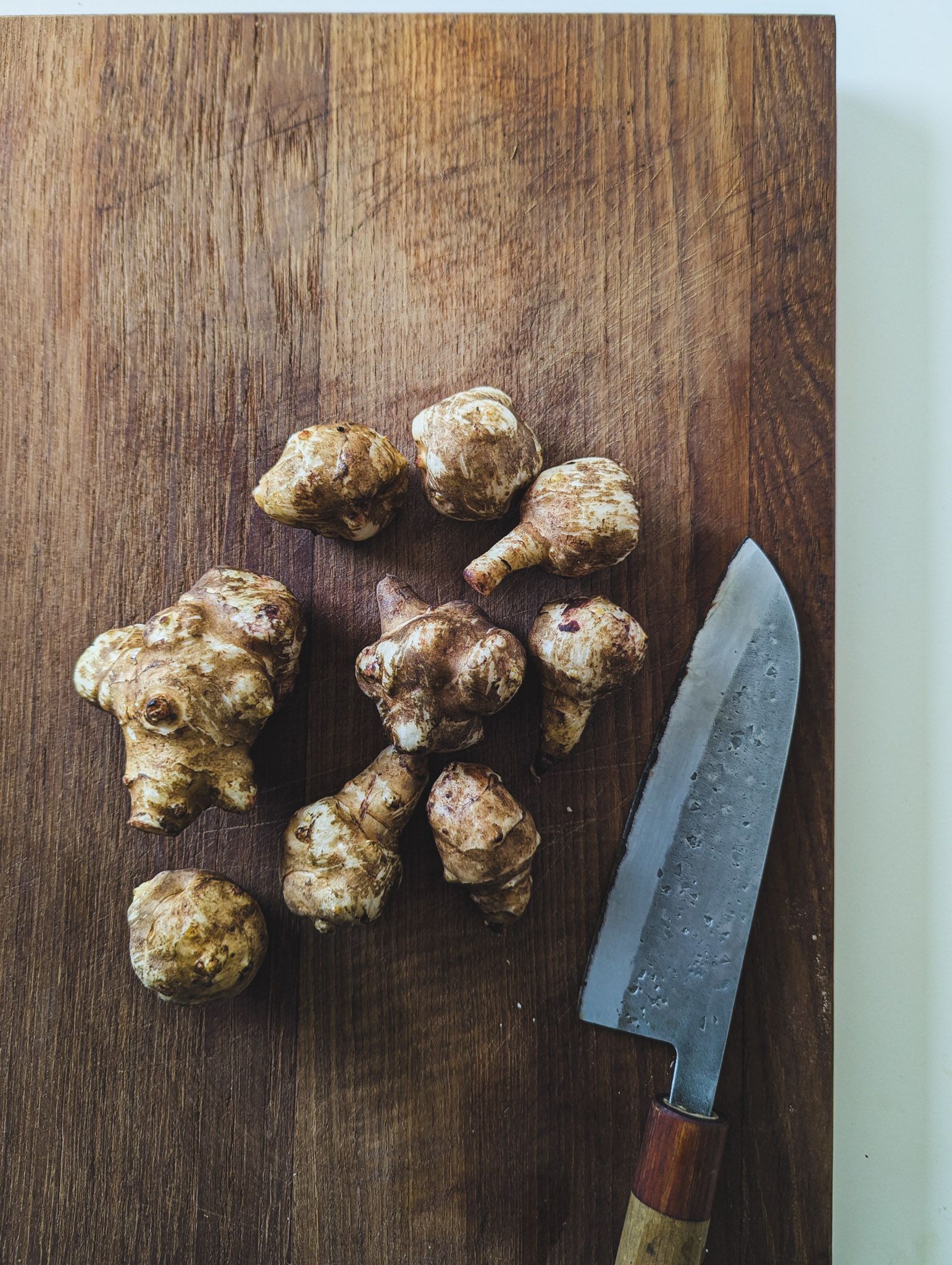
Jerusalem artichokes are not artichokes, nor are they from Jerusalem. They are in fact members of the sunflower family and their edible tubers resemble turmeric roots. You can cook them anyway you might cook a potato but they don’t contain any starch and are sweeter and creamier. They do need a good scrub but n need too peel if you do a god enough job under the tap, just don’t wash them until you’re ready to cook them as the skin is thin and should be kept dry. Otherwise, keep them much like you would any other root, in a cool, dry spot out of direct sunlight and they’ll last for months.
Thanks for reading, we’ll be back next month with more from the fields.


© 2026 - Barcombe Nurseries
Powered by
